

Resources for trauma, PSYCHEDELICS & embodied RECOVERY
Here you can explore a curated collection of books, my articles and trusted organisations whose research and resources support a deeper understanding of trauma, chronic stress, PTSD, nervous system regulation, body-led approaches to recovery and psychedelic integration. These resources reflect both the evidence that informs my work and the wider field of somatic (body-based) practice, offering deeper context, practical insight and ideas for further exploration.
THREE PLACES TO BEGIN
If you're new to body-led approaches, you could begin with these three articles.
Below these, you’ll find my entire library of articles, as well as book recommendations and then links to academic resources.

Why interoception matters for health and emotional regulation, and how to cultivate it through invitational, mindful practices.
Interoception: Learning to Listen to the VOICE of the Body

Breathing and the Nervous System: Why How We Breathe Can Change How We Feel
What ancient and modern science tell us and why the story is more nuanced than ‘take a deep breath’
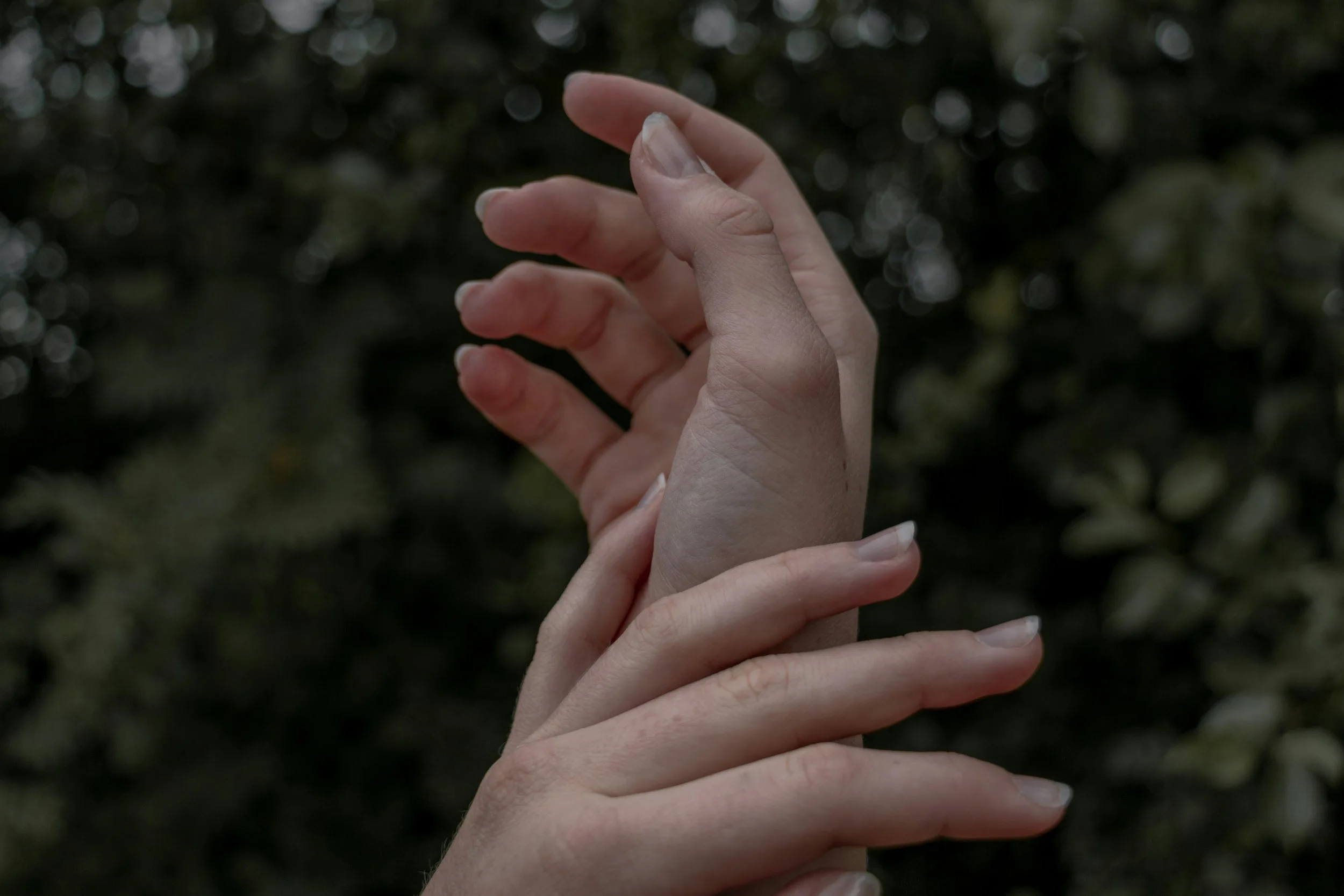
When Words Aren’t Enough: Why Some Trauma Therapies Start With the Body Instead of the Story
Healing rarely happens because somebody tells us we’re safe. Bodies learn through experience. A trauma-sensitive approach creates opportunities to have different experiences.
“No intervention that takes power away from the survivor can possibly foster her recovery, no matter how much it appears to be in her own best interests.”
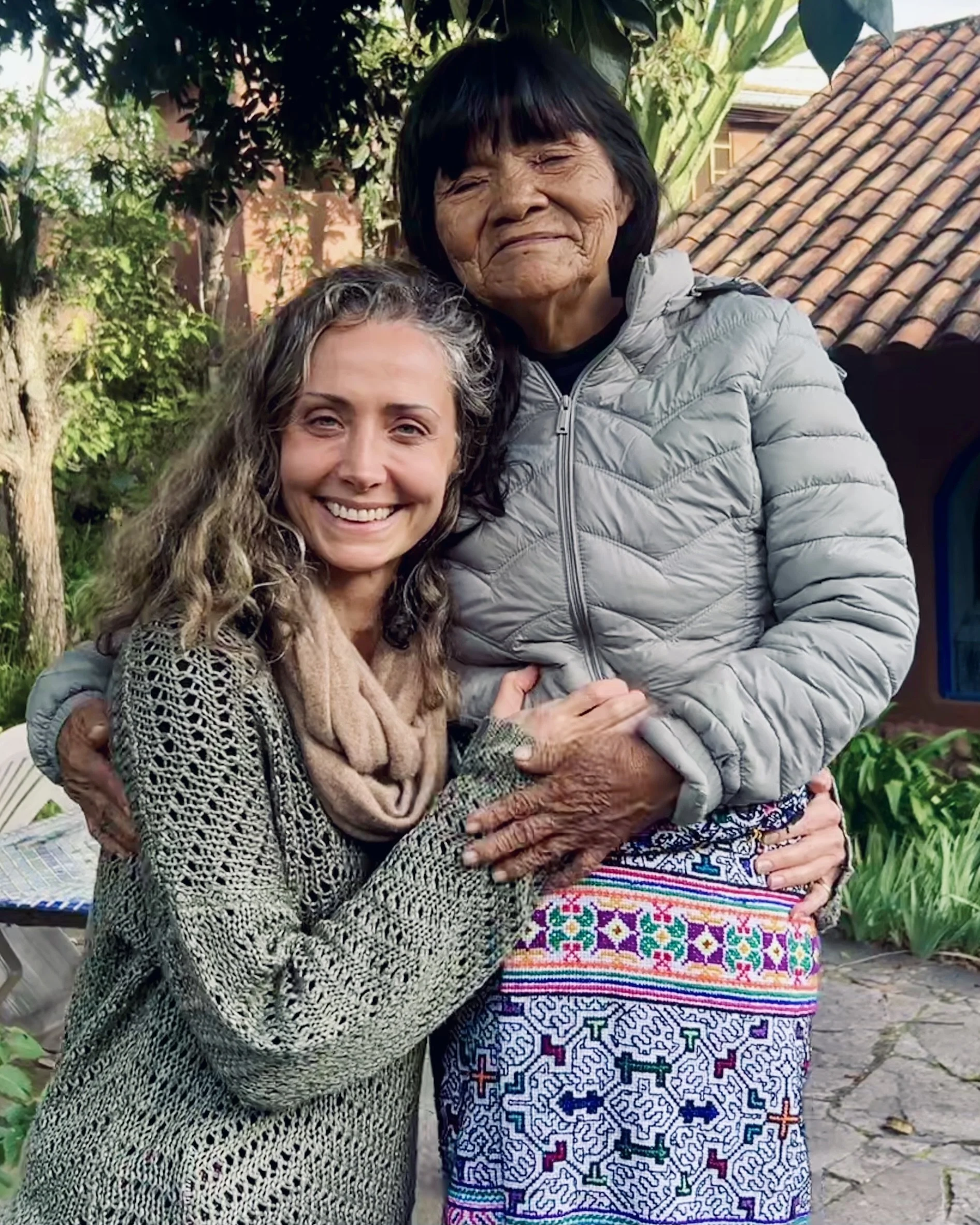
WHAT AYAHUASCA AND SHIPIBO MEDICINE HAVE TAUGHT ME ABOUT THE NATURE OF HEALING
Whether we understand what happens in ceremony through the lens of indigenous cosmology, contemporary neuroscience, psychology or some combination of the three, I came away with a deep respect for the idea that words are only one language through which human beings heal.
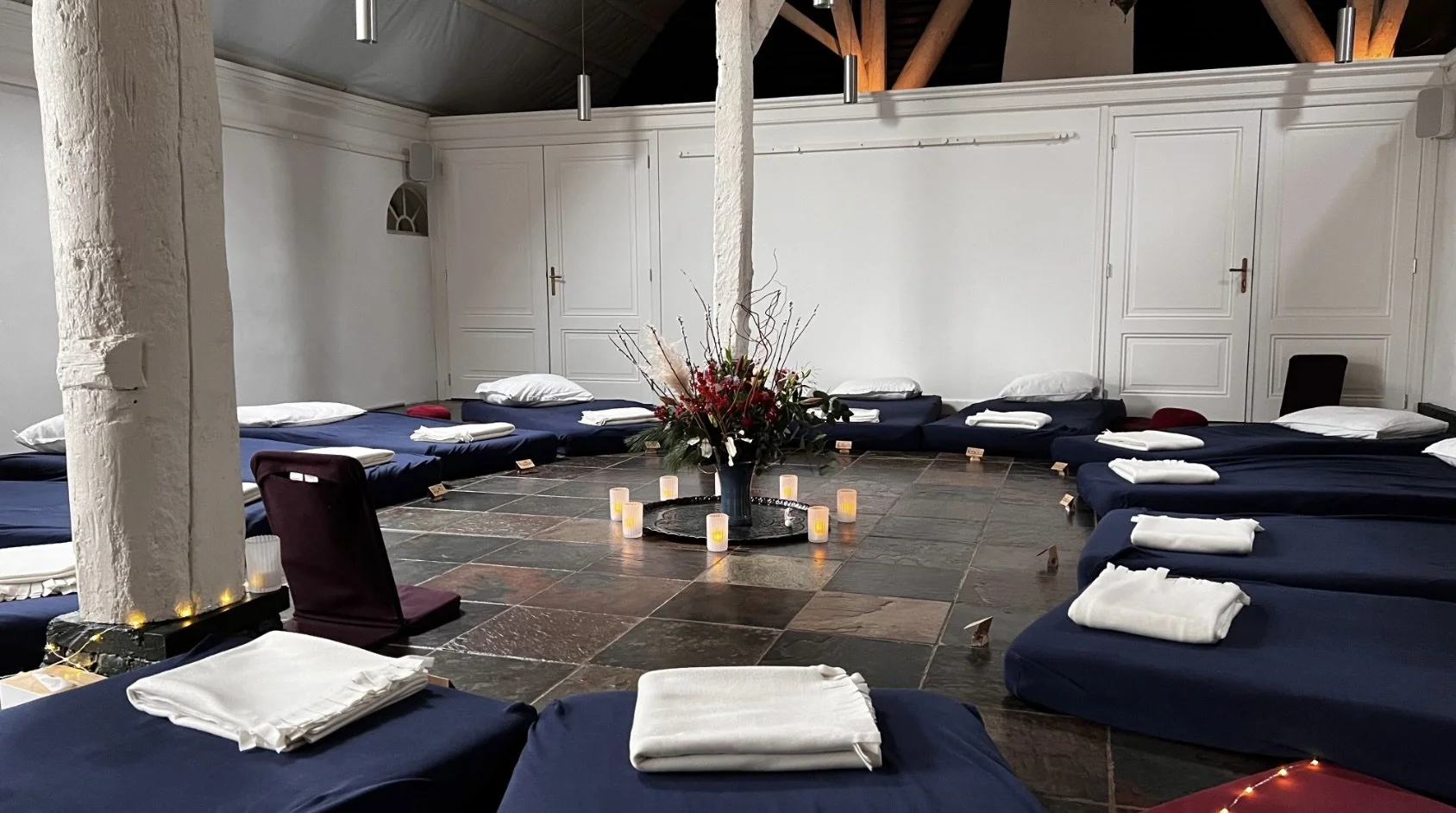
THE THERAPEUTIC POTENTIAL OF PSILOCYBIN: WHAT WE KNOW, WHAT WE’RE STILL LEARNING
When I first began following the research, much of the conversation centred on what psychedelics were doing to the brain. Today, while neuroscience remains fascinating, I find myself asking a different question. Not simply:“What does psilocybin do?” But: “What helps people turn a profound experience into lasting change?”
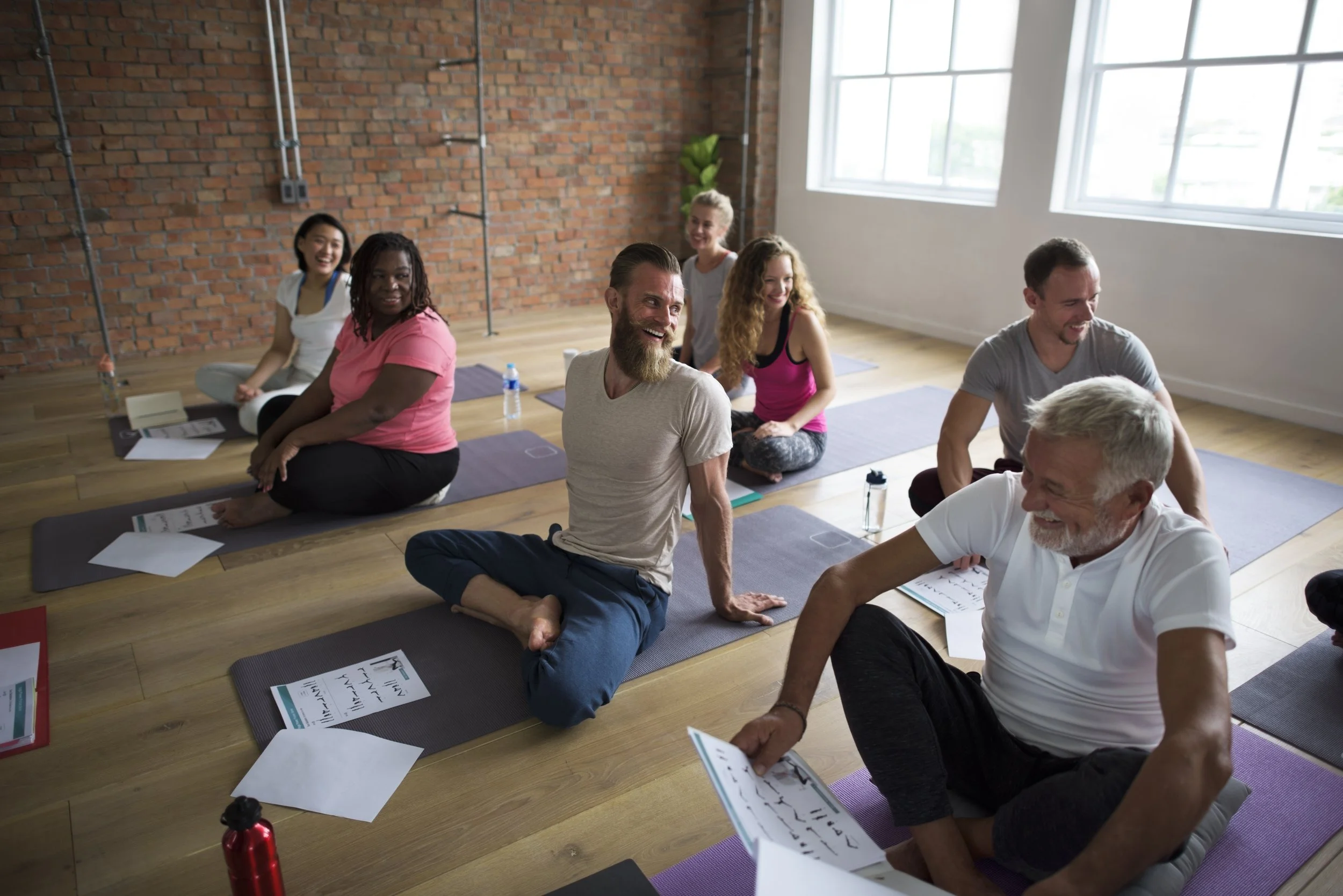
WHY CHOICE MATTERS MORE THAN RELAXATION IN TRAUMA RECOVERY
There is a phrase we often hear in trauma recovery. “You are safe now, in the present.“ It’s well intentioned. But if you’ve lived through trauma, you may already know that simply being told you’re safe rarely changes how your body feels. Safety isn’t something we can be told. It’s something our bodies conclude.
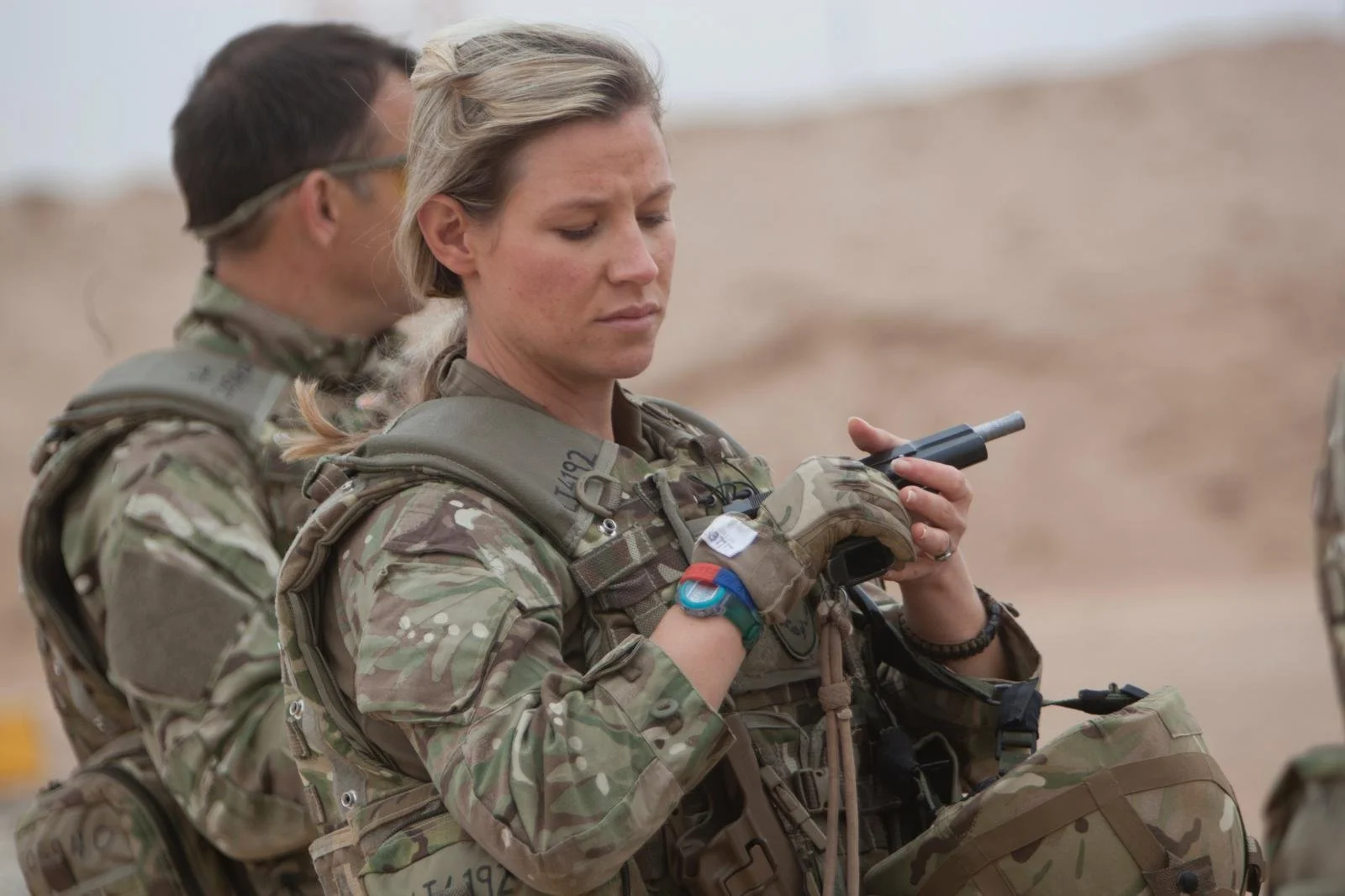
PTSD, VETERANS AND THE BODY: WHY RECOVERY DOESN’T ALWAYS BEGIN WITH TALKING
Many people seek help through counselling, medication or support groups. These approaches can be incredibly valuable and, for many, life-changing. But some veterans tell me they leave understanding why they feel the way they do, yet still find themselves reacting in exactly the same ways.


THE SIDE EFFECTS FO A WESTERN BRAIN: THOUGHTS OF AN AYAHUASCA HEALER
we fill every pause with information. every silence with stimulation. and slowly, our minds become overactive while our bodies fall out of rhythm.

THE BODY KEEPS THE SCORE, BUT IT ALSO KEEPS HOPE
for a nervous system shaped by past overwhelm, reaction can come before choice. survival before reflection.
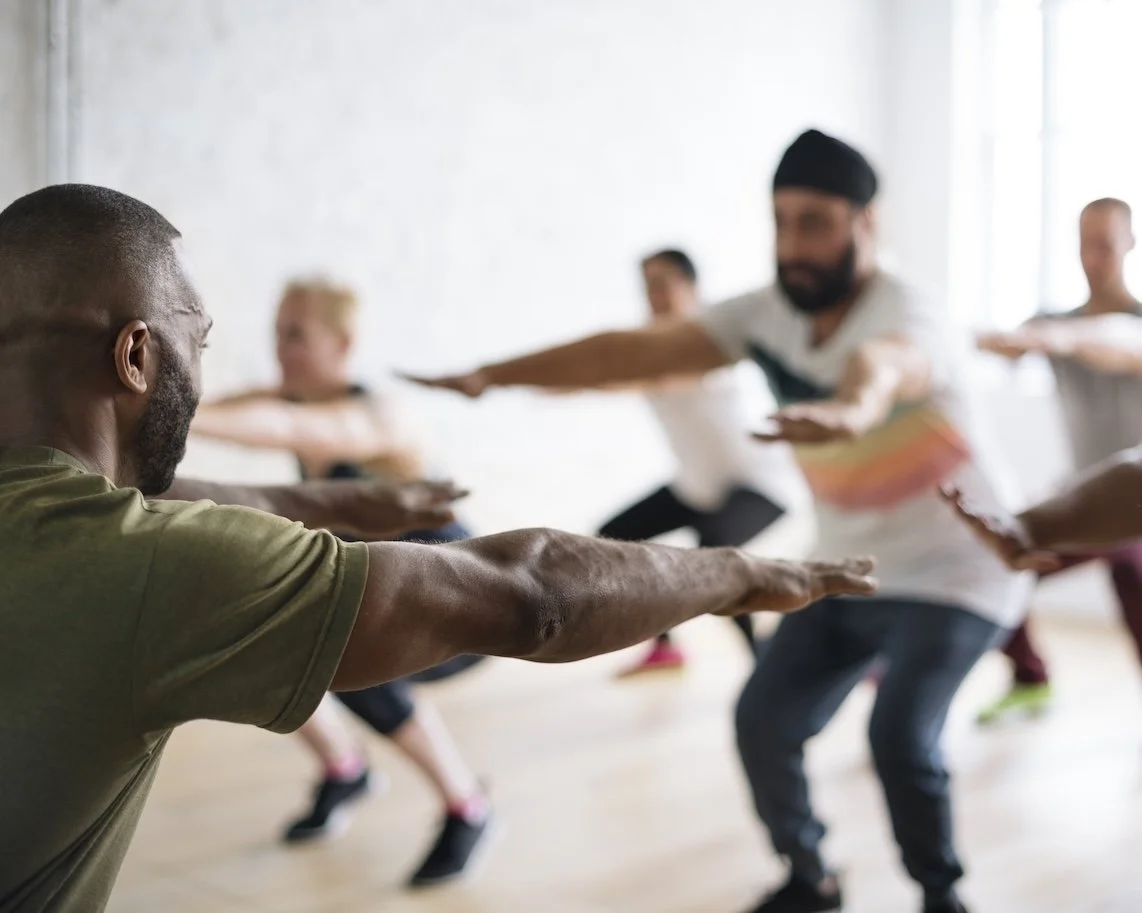
WHAT MAKES TRAUMA SENSITIVE YOGA (TCTSY) DIFFERENT?
Over the last two decades, trauma research has increasingly shown us that trauma is not simply stored as a story we remember. It changes the way we experience our own bodies, our relationships and our sense of safety in the world. This growing understanding has led to greater interest in body-based therapeutic approaches that work alongside psychotherapy rather than instead of it.


Books: Stress, Trauma & emotional regulation
-
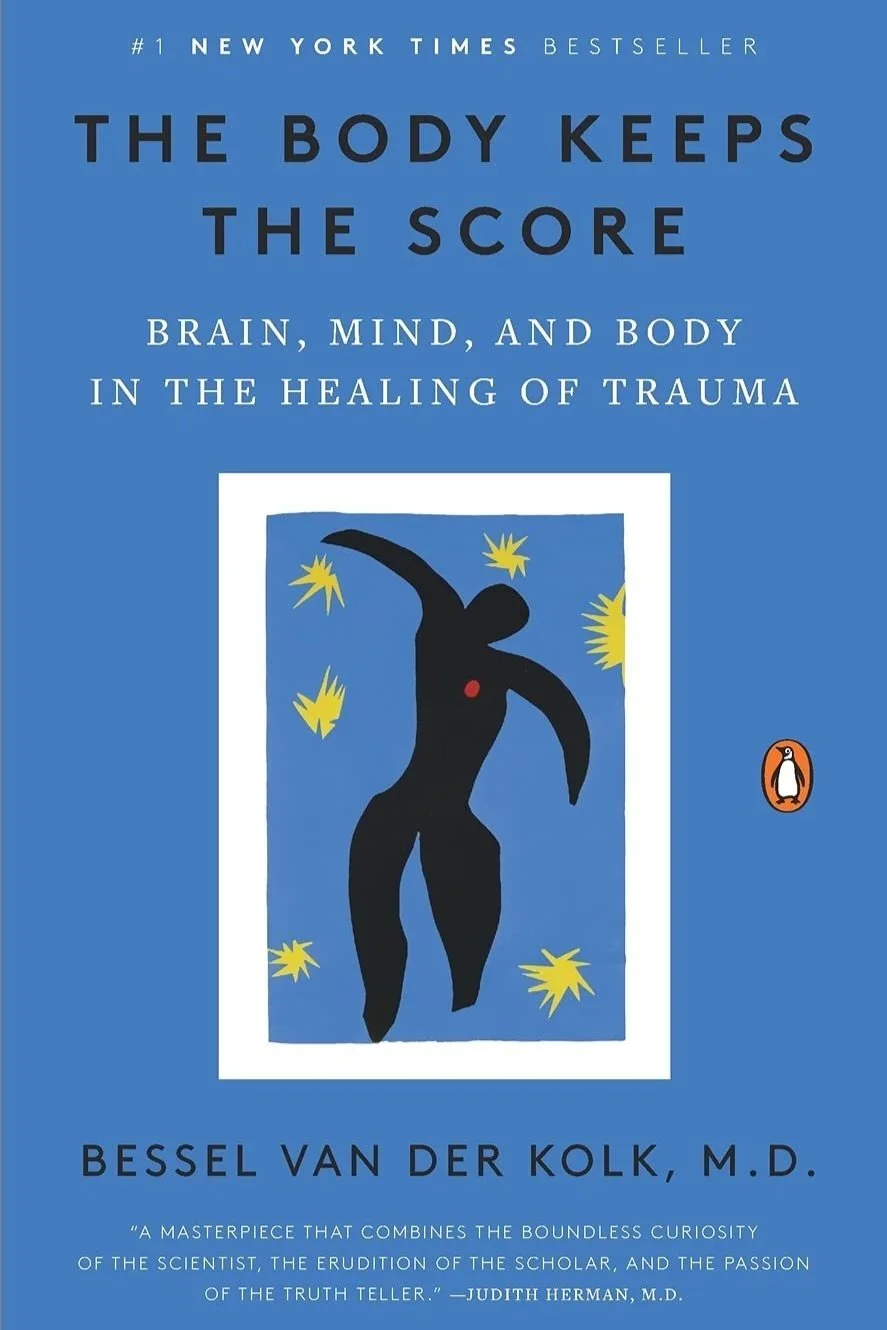
![Cover of a book titled 'The Body Keeps the Score: Brain, Mind, and Body in the Healing of Trauma' by Bessel van der Kolk, featuring a stylized silhouette of a human figure surrounded by yellow starburst shapes against a blue background, with a Penguin Books logo in the bottom right corner.]()
the body keeps the score
The effects of trauma can be devastating for sufferers, their families and future generations. In this important book one of the world's foremost experts on traumatic stress offers a bold new paradigm for treatment, moving away from standard talking and drug therapies and towards an alternative, body-led approach that explores how our nervous system records and carries our past wounds into our present day, and how to approach healing those wounds.
-
![Cover of a book titled 'When the Body Says No' by Gabor Maté featuring a yellow leaf with detailed veins on a white background. The subtitle reads 'The Cost of Hidden Stress' and a quote at the bottom states ''A healer to be cherished'' by Naomi Klein.]()
when the body says no
Can a person literally die of loneliness? Is there a connection between the ability to express emotions and Alzheimer’s disease? Is there such a thing as a ‘cancer personality’? Drawing on deep scientific research and Dr Gabor Maté’s acclaimed clinical work, When the Body Says No provides the answers to critical questions about the mind-body link – and the role that stress and our emotional makeup play in an array of common diseases.
-
![Book cover titled 'The Myth of Normal: Trauma, Illness & Healing in a Toxic Culture' by Gabor Maté with Daniel Maté. The cover features an abstract illustration of a person's face in shades of red, orange, and yellow, with a gradient background.]()
the myth of normal
Western countries invest billions in healthcare, yet mental illness and chronic diseases are on an unstoppable rise. Medicine often fails to treat the whole person, ignoring how today's culture stresses our bodies and undermines emotional balance. With over four decades of clinical experience, Dr Maté connects the dots between our personal suffering and the pressures of modern-day living, But he also shows us a pathway to health and healing.
-
![Book cover titled 'The Drama of the Gifted Child: The Search for the True Self' by Alice Miller featuring a soft watercolor illustration of two children.]()
the drama of the gifted child
Why are many of the most successful people plagued by feelings of emptiness and alienation? Too many had to learn as children to hide their own feelings, needs and memories skilfully in order to meet parents' expectations and win their love. Alice Miller writes, "When I used the word 'gifted', I simply meant all who have survived an abusive childhood thanks to an ability to adapt by becoming numb.... Without this 'gift' offered us by nature, we would not have survived."
-
![Book cover titled 'It Didn't Start With You' by Mark Wolynn, featuring outline profiles of two faces connected by a DNA double helix, with subtitle about inherited family trauma.]()
it didn't start with you
Depression. Anxiety. Chronic pain. Phobias. The root of these difficulties may reside in the traumas of our parents, grandparents and even great-grandparents. The latest research affirms that traumatic experience is passed on to future generations and that this emotional inheritance, hidden in everything from gene expression to everyday language, plays a greater role in our health than ever previously understood, but these patterns can be broken.
-
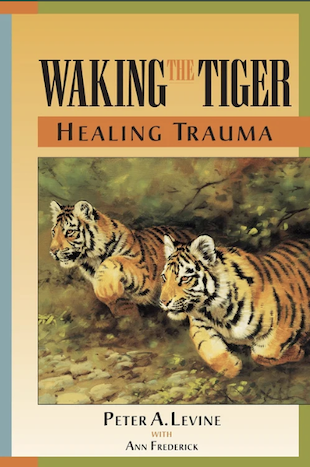
![Book cover titled "Waking the Tiger: Healing Trauma" by Peter A. Levine with Ann Frederick, featuring an illustration of two tigers in a forest setting.]()
waking the tiger
A new and hopeful vision of healing trauma. It views the human animal as a unique being, endowed with an instinctual capacity. It asks and answers an intriguing question: why are animals in the wild, though threatened routinely, rarely traumatised? By understanding the answer to this, the mystery of human trauma is revealed, symptoms of trauma are normalised and steps needed to heal them are discussed.
-
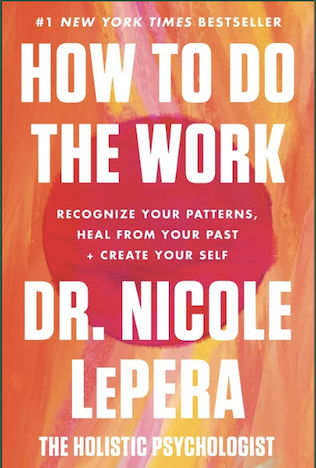
![Book cover with a vibrant orange, pink, and yellow abstract background. The title reads, 'How to Do the Work' by Dr. Nicole LePera, with a subtitle, 'Recognize your patterns, heal from your past, create your self.' It is labeled as a #1 New York Times Bestseller.]()
how to do the work
The Holistic Psychologist, Dr Nicole LePera, helps us recognise how adverse experiences and trauma in childhood live with us, keeping us stuck engaging in patterns of codependency, emotional immaturity and trauma bonds. Unless addressed, these self-sabotaging behaviours can quickly become cyclical, leaving people feeling unhappy, unfulfilled, and unwell. She offers support and tools to break free from destructive behaviours and recreate their lives.
-
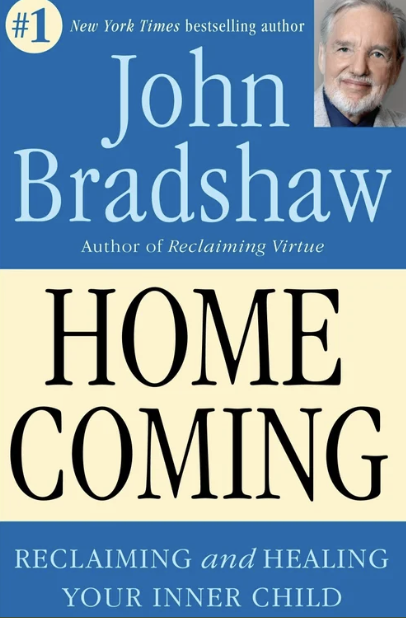
![Book cover of 'Home Coming: Reclaiming and Healing Your Inner Child' by John Bradshaw. The cover features a photo of the author in the top right corner, blue and beige background, large black text of the title, and additional text indicating the author's name and book description.]()
homecoming
Do you aspire to be a loving parent but all too often 'lose it' in hurtful ways? Do you crave intimacy but wonder if it's worth the struggle? We first see the world though the eyes of the child we once were, and that 'inner child' remains with us, no matter how 'grown-up' we become. If our vulnerable child was hurt, its pain, grief and anger live on within us. In this powerful book John Bradshaw shows us how we can offer ourselves the good parenting we needed and longed for.
-
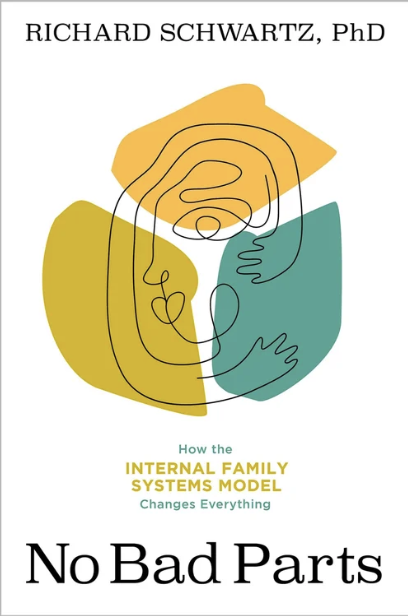
![Cover of a book titled 'No Bad Parts' by Richard Schwartz, PhD. The cover features abstract colorful shapes and a minimalist line drawing of a human face and hands. The subtitle reads 'How the Internal Family Systems Model Changes Everything'.]()
no bad parts
Is there some part of yourself you wish would go away? Most of us would say yes, whether we call it addiction, the inner critic or ‘monkey mind.’ Yet what if there were a different way to approach these aspects of ourselves? Internal Family Systems is a paradigm-changing model of consciousness that is transforming psychology, offering a revolutionary paradigm to understand and relate with ourselves.
-
![]()
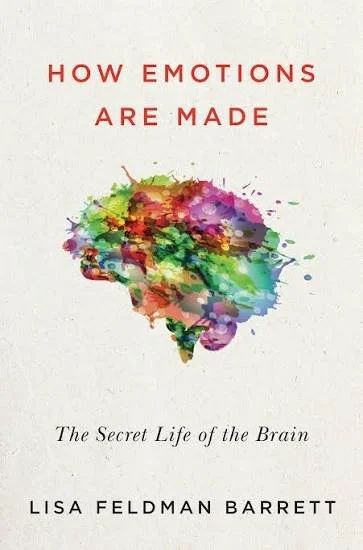
HOW EMOTIONS ARE MADE
Why do emotions feel automatic and uncontrollable? Does rational thought really control emotion? How does emotion affect disease? How can you make your children more emotionally intelligent? How Emotions Are Made answers these questions and many more, revealing the latest research and intriguing practical applications of the new science of emotion, mind, and brain.
-
![]()
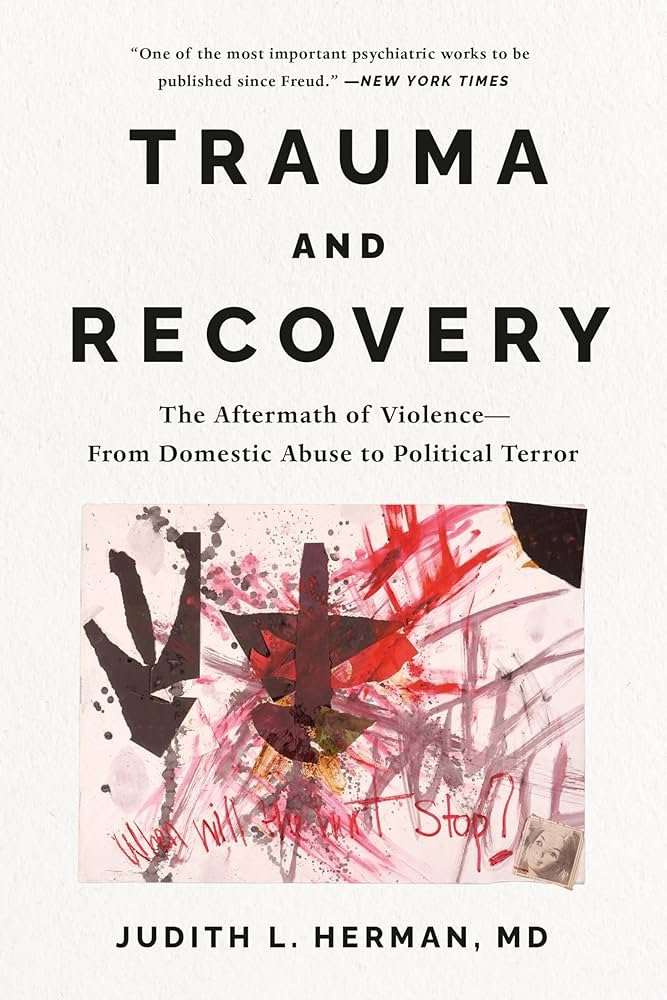
TRAUMA AND RECOVERY
When Trauma and Recovery was first published in 1992, it was hailed as a groundbreaking work. Herman brings a new level of understanding to a set of problems usually considered individually. Herman draws on her own cutting-edge research in domestic violence as well as on the vast literature of combat veterans and victims of political terror, to show the parallels between private terrors such as rape and public traumas such as terrorism. The book argues that psychological trauma can be understood only in a social context.
Books: Trauma Sensitive Yoga & body-led therapy
-
![Book cover titled 'Overcoming Trauma through Yoga: Reclaiming Your Body' by David Emerson and Elizabeth Hopper, PhD, with forewords by Peter A. Levine and Stephen Cope, MSW, and an introduction by Bessel A. van der Kolk, MD. The background features a scenic mountain landscape with green hills under a cloudy sky.]()
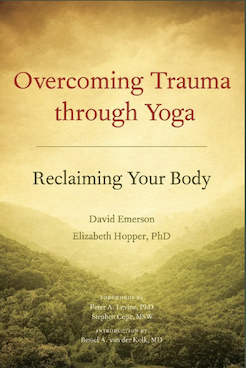
overcoming trauma through yoga
Survivors of trauma—whether abuse, accidents, or war—can end up profoundly wounded, betrayed by their bodies that failed to get them to safety and that are a source of pain. In order to fully heal from trauma, a connection must be made with oneself, including one’s body. The trauma-sensitive yoga described in this book moves beyond traditional talk therapies that focus on the mind, by bringing the body actively into the healing process.
-
![Book cover titled 'Trauma-Sensitive Yoga in Therapy: Bringing the Body into Treatment' by David Emerson, with a white background and minimalist dandelion illustrations.]()
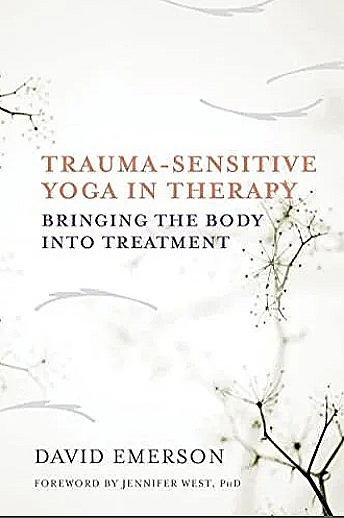
trauma sensitive yoga in therapy
With interpersonal trauma, whether chronic childhood abuse or domestic violence, talk therapy isn’t always the most effective course. The trauma and its effects are so complex that reducing it to symptoms or suggesting a change in cognitive frame or behaviour ignores a very basic but critical player: the body. Reorienting clients to their bodies and building their ‘body sense’ can be the key to unlocking their pain and building a path toward healing.
-
![Book cover titled 'The Healing Power of the Breath' by Richard P. Brown, MD, and Patricia L. Gerbarg, MD, about techniques to reduce stress, enhance concentration, and balance emotions, includes an instructional CD of breathing practices.]()
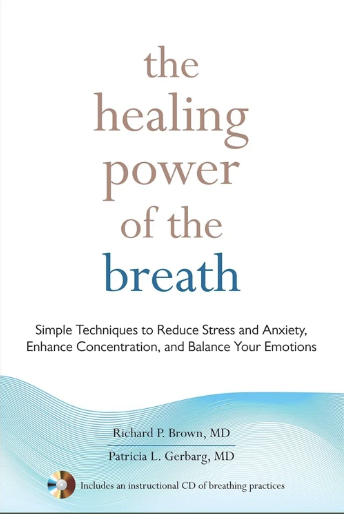
THE HEALING POWER OF THE BREATH
Millions around the world suffer from mood problems and stress-related issues like anxiety, depression, insomnia and PTSD. Far too many of them are taking medications that have troublesome side effects, withdrawal symptoms and disappointing success rates. Here, physicians Dr. Richard P. Brown and Dr. Patricia L. Gerbarg present a side effect-free solution - breathing - based on teachings drawn from yoga, Buddhism, qigong and other sources.
-
![Book cover titled 'Embodied Healing', edited by Jenn Turner, with a subtitle referencing survivor and facilitator voices from trauma-sensitive yoga, featuring a graphic of overlapping black silhouettes of women's faces in profile on a rose-colored background.]()
Embodied healing
First-hand essays of embodied healing from the Center for Trauma and Embodiment at Justice Resource Institute: challenges, triumphs and healing strategies from the front line of Trauma Center Trauma Sensitive Yoga. Written by yoga facilitators, survivors and therapists, the first-hand accounts in healing with Trauma-Sensitive Yoga examine real-life situations and provide guidance on how to act, react and respond to trauma on the mat.
-
![Cover of a book titled 'The Principles and Practice of Yoga in Healthcare', edited by Sat Bir Singh Khalsa, Lorenzo Cohen, Timothy McCall, and Shirley Telles, with images of DNA, a hip joint, a brain scan, a heartbeat, and cells.]()
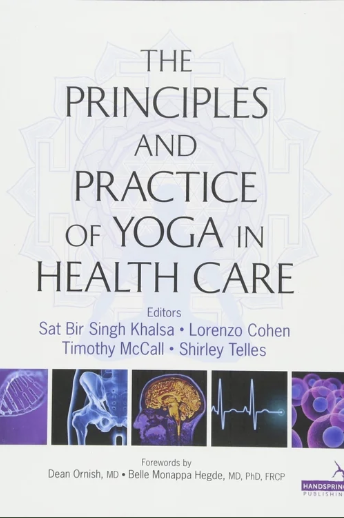
YOGA IN HEALTHCARE
This book brings together the science and the practice of yoga therapy, supporting its emergence as a credible profession. It comprehensively summarises research findings and their practical implications for professionals who use yoga or refer patients for yoga practice. It includes chapter contributions by leading biomedical researchers as well as contributions by expert yoga therapists describing practical implementation for specific conditions.

Books: Spiritual
traditions - history,
philosophy & practice
-
![Book cover of "The Secret of the Yoga Sutra" by Samadhi Pada, featuring a colorful peacock feather illustration and text in English and Hindi.]()
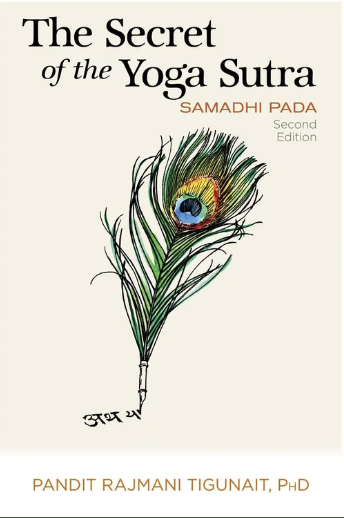
secret of the yoga sutra: samadhi pada (chapter 1)
The Yoga Sutra is the living source wisdom of the yoga tradition, still relevant 2,200 years after it was codified by the sage Patanjali. This is the first practitioner-oriented commentary of the Yoga Sutra fully grounded in a living lineage. It shares the essence of Pandit Tigunait's rigorous scholarly understanding of the Yoga Sutra, through the filter of experiential knowledge gained through decades of advanced yogic practices, and enriched by the living wisdom he received from the masters of the Himalayan Tradition.
-
![Book cover titled "The Practice of the Yoga Sutra" by Sadhana Pada with an illustration of a green leaf with yellow spikes.]()
Secret of the yoga sutra: sadhana pada (chapter 2)
This is the second (after Samadhi Pada, covering the first chapter) in a series of commentaries on the Yoga Sutra—combining Pandit Tigunait’s rigorous scholarly understanding of yoga philosophy with the knowledge he has gained through decades of advanced yoga practice. He demonstrates how Patanjali’s systematic 8-part plan for mastering the roaming tendencies of the mind - offered to beginners and newcomers to practice - opens the door to a more vibrant experience of our Self and our true nature.
-
![Book cover titled 'Tantra Illuminated' by Christopher D. Wallis, featuring a symmetrical fractal pattern in yellow, red, and black against a dark purple background.]()
Tantra Illuminated
This book journeys to the very heart of Tantra: its key teachings, foundational lineages, and transformative practices. Since the West's discovery of Tantra 100 years ago, there has been considerable fascination, speculation, and more than a little misinformation about this spiritual movement. Tantra Illuminated presents an accessible introduction to this sacred tradition that began 1,500 years ago in the far north of India. Translated from primary Sanskrit sources by Tantrik scholar-practitioner Christopher Wallis.
-
![Book cover titled 'The End of Your World' by Adyashanti, featuring a circular design with shades of blue and teal.]()
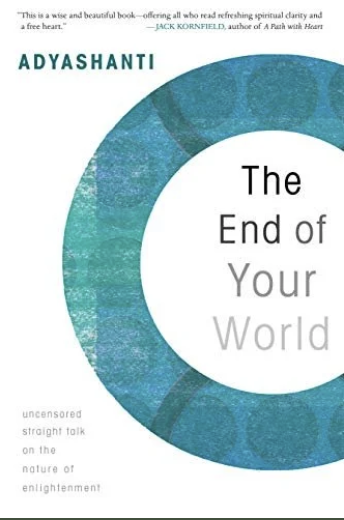
the end of your world
More and more people are “waking up” spiritually. And for most of them, the question becomes: now what? “Information about life after awakening is usually not made public,” explains American spiritual teacher Adyashanti. “It's most often shared only between teachers and their students.” The End of Your World is his response to a growing need for direction on the spiritual path.
-
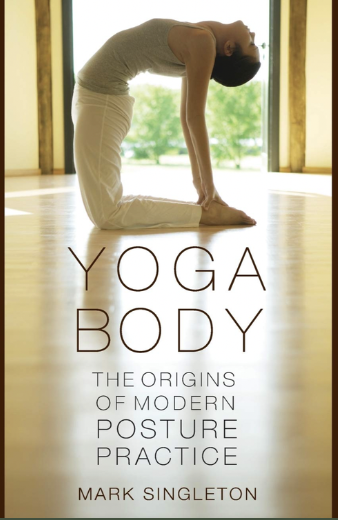
![A woman practicing yoga in a lizard pose inside a sunlit room with large windows and green trees outside. The book cover titled 'Yoga Body: The Origins of Modern Posture Practice' by Mark Singleton.]()
Yoga Body: The Origins of Modern Posture Practice
Mark Singleton calls into question many commonly held beliefs about the nature and origins of postural yoga and suggests a radically new way of understanding the meaning of yoga as it is practiced by millions of people across the world today. Drawing on a wealth of rare documents, as well as interviews with elderly figures in the world of yoga, Yoga Body turns the conventional wisdom about yoga on its head.
-
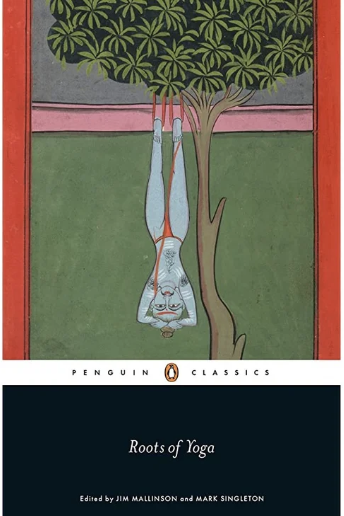
![Book cover of 'Roots of Yoga' featuring an illustration of a person practicing yoga upside down next to a tree with lush green leaves, set against a green background with a red border.]()
roots of yoga
Despite yoga's huge global popularity, relatively little of its roots is known among practitioners. This book draws on a wide range of texts, among others, key passages from the early Upanishads, and from the Tantric, Buddhist and Jaina traditions, with many pieces in scholarly translation for the first time. it covers yoga's varying definitions, its most important practices, such as posture, breath control, sensory withdrawal and meditation, as well as models of the esoteric and physical bodies.
-
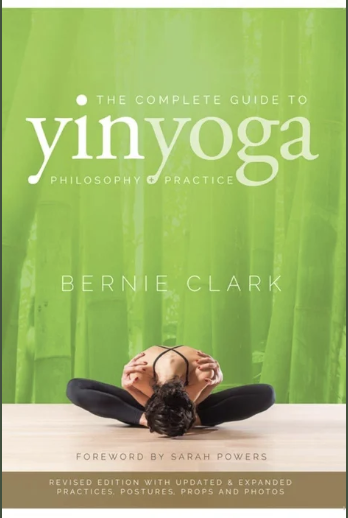
![Cover of a book titled 'The Complete Guide to Yinyoga' by Bernie Clark, featuring a woman in a seated forward bend yoga pose on a wooden floor with a green bamboo forest background.]()
Yin Yoga: philosophy & practice
Bernie Clark presents comprehensive guidance on how to do the practice, including a deep look inside over two dozen Yin Yoga postures, showing the benefit of the pose and their targeted areas, how to get into and out of it and contraindications. The benefits are explored in three main sections: the physiological benefits, the energetic benefits and the mental/emotional benefits.
-
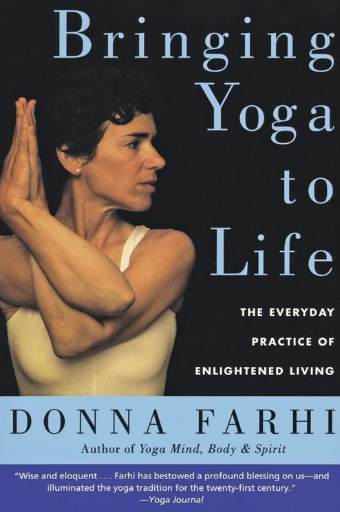
![Book cover titled "Bringing Yoga to Life" by Donna Farhi. Features a woman in a yoga pose with hands pressed together near her head, against a black background.]()
bringing yoga to life
Expanding upon the teachings of Patanjali's Yoga Sutras, one of the core scriptural texts of the yoga tradition, internationally renowned teacher Donna Farhi describes yoga's transforming power as a complete life practice, far beyond its common reduction to mere exercise routine or stress management. This is the philosophy of yoga as a path to a deeper awareness of self.
-
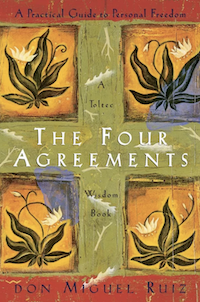
![Cover of a book titled "The Four Agreements: A Toltec Wisdom Book" by Don Miguel Ruiz, featuring abstract artwork with four floral motifs in each corner and a green cross in the center.]()
The four agreements
First published in 1997, this has been on the NY Times Bestsellers List for over a decade. Everything we do is based on agreements we have made - agreements with ourselves, with other people, with God/god and with life. But the most important agreements are the ones we make with ourselves. Don Miguel Ruiz reveals the source of self-limiting beliefs that rob us of joy and create suffering. And, based on ancient Toltec wisdom, offers a powerful code of conduct that has the potential to transform our lives.
-
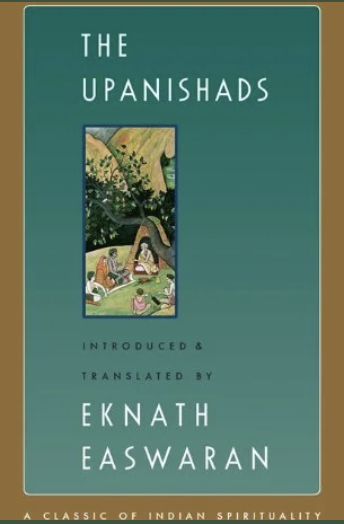
![Cover of the book 'The Upanishads' by Eknath Easwaran, featuring an illustration of a spiritual scene in nature with people sitting on the ground.]()
the upanishads
In the Upanishads, among the world’s most ancient scriptures, illumined sages of ancient India shared flashes of insight, the results of their investigations into consciousness itself. They experienced directly a transcendent Reality which is the essence, or Self, of each being - eternal, deathless, one with the power that created the universe. Easwaran’s translation compiles sections from the principal Upanishads and five others. “The Upanishads belong not just to Hinduism. They are India’s most precious legacy to humanity, and in that spirit they are offered here.”
-
![]()
YOGAPHILOSOPHY.COM
“Yoga is the view that our minds and bodies are the parts of the natural world that we, as persons, must take responsibility for so they reflect our interests as people. When we succeed at Yoga, we integrate various aspects of our life into a coherent autonomous agent. Yoga is an ancient philosophy that is unique in that it does not begin with a set of beliefs that one has to agree with but with the proposal that we should organiSe options to choose from.” Dr Shyam Ranganathan’s Yoga Philosophy Institute is committed to bringing research-based information on Yoga to interested students, practitioners, teachers and therapists, and offers free resources as well as paid courses.
-
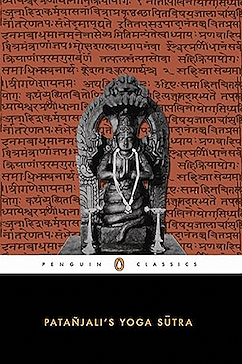
![Cover of a book titled 'Patanjali's Yoga Sutra' with a black and white photograph of a seated deity or saint in meditative pose, framed by an ornate arch, against a red background with Sanskrit script.]()
the yoga sutra
The Yoga Sūtra sets out a sophisticated theory of moral psychology and perhaps the oldest theory of psychoanalysis. For Patañjali, present mental maladies are a function of subconscious tendencies formed in reaction to past experiences. He argues that people are not powerless against such forces and that they can radically alter their lives through yoga―a process of moral transformation and perfection, which brings the body and mind of a person in line with their true nature. A hugely valuable revisionist translation by Canadian-Indian moral philosopher Dr Shyam Ranganathan.



ACADEMIC RESOURCES
psychedelics research

IMPERIAL COLLEGE LONDON CENTRE FOR PSYCHEDELIC RESEARCH, UK
One of the world's leading academic centres for psychedelic research, exploring the neuroscience, therapeutic potential and clinical application of psychedelics.
Johns Hopkins Center for Psychedelic & Consciousness Research, USA
A pioneering research centre publishing many of the landmark studies on psilocybin, consciousness and mental health.
Harvard Study of Psychedelics in Society and Culture, USA
An interdisciplinary perspective exploring the psychological, spiritual, ethical and cultural dimensions of psychedelic use.
Trauma & Body-Led Recovery
Center for Trauma and Embodiment, USA
The home of Trauma Center Trauma-Sensitive Yoga (TCTSY), including research, training and publications relating to body-based trauma recovery.
The Yoga Clinic Research Library, UK
A carefully curated collection of academic papers on yoga, trauma, pain science, neuroscience and embodied health compiled by my colleague Alex.
THE MINDED INSTITUTE, UK
The Minded Institute is an international leader in yoga therapy and mind-body training. There blog section is frequently updated and they often comment on, or build blogs around, emerging research around yoga, breath, mindfulness and mental health and wellbeing.
Veterans & PTSD
Combat Stress, UK
A UK veterans charity that funds and shares research, reports and clinical developments relating to PTSD and mental health in UK veterans.
WARRIORS AT EASE, US
A US non-profit pioneering the delivery of transformative, evidence-based, mind-body practices to alleviate the stressors of military life and aid in the prevention and rehabilitation of physical and invisible injuries.

FIVE EYES MENTAL HEALTH RESEARCH & INNOVATION COLLABORATION
An international collaboration between Australia, Canada, New Zealand, the UK and the US, bringing together the leading military and veteran mental health research organisations from all five countries. It exists specifically to share evidence and improve outcomes across nations.