
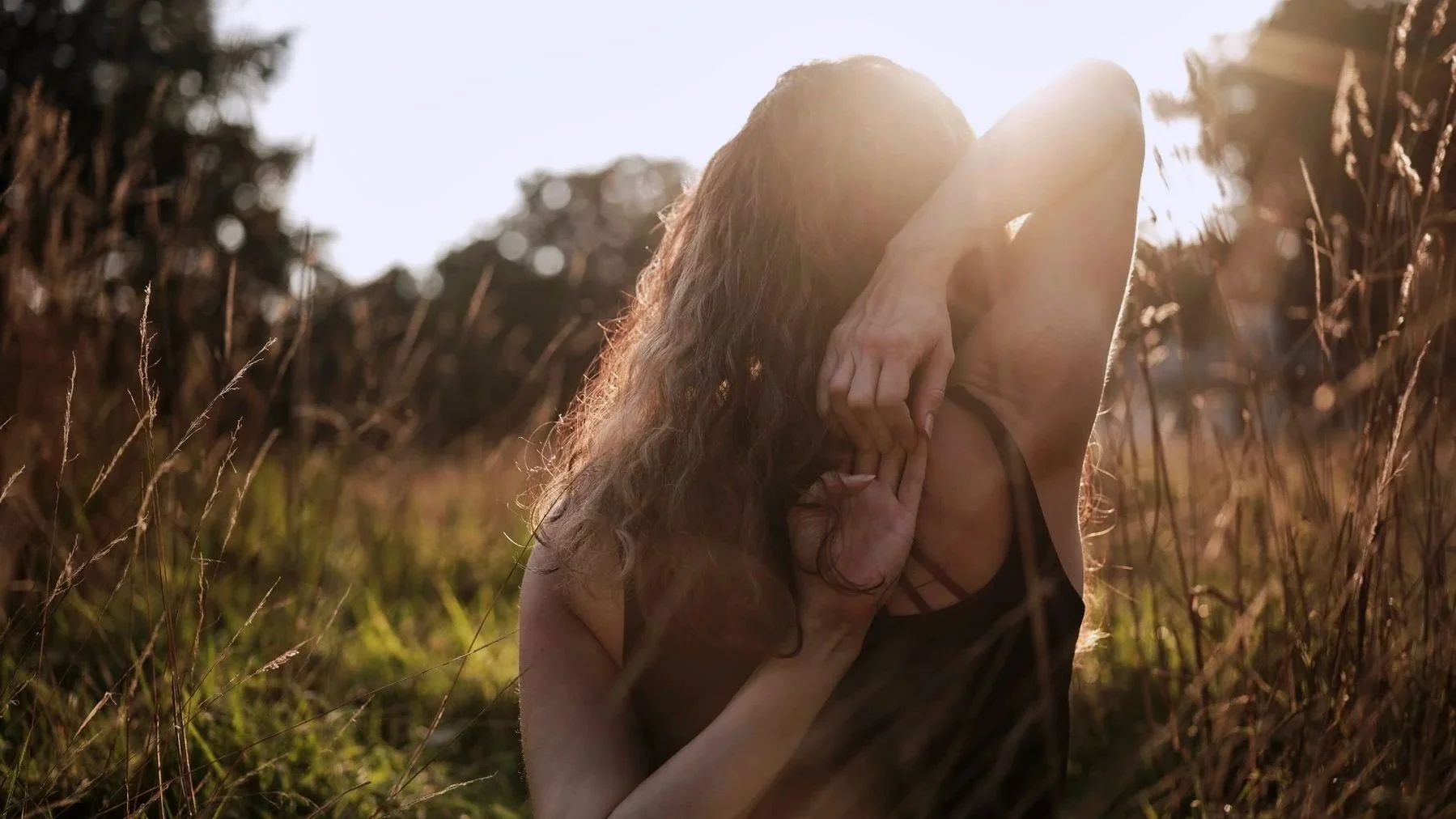
BODY-LED trauma support
I use somatic (body- and movement-based) and trauma-sensitive techniques — combining modern science with ancient wisdom traditions — to support you in recovering from the impacts of trauma, chronic stress and nervous system dysregulation, without necessarily having to ‘talk about what happened.’
I offer tools and practices you can learn to help manage heightened nervous system reactivity, rebuild physical confidence and gain greater agency over day-to-day mental and emotional experience — building capacity to navigate life more on your own terms.
A DIFFERENT APPROACH TO TRAUMA RECOVERY
There is a growing evidence base showing that trauma impacts not only thoughts and emotions, but also the body’s physiological stress systems. Your nervous system can remain highly attuned to threat — a kind of persistent ‘survival mode’ that may have served you well in the past, but now, long after the original distressing events, may be limiting your capacity to live a full and free life.
You may experience a persistent edginess, restlessness or need to constantly be busy doing things, and/or a reduced ability to feel at ease in your own body. These patterns can affect sleep, concentration, relationships and the ability to be present with and enjoy daily life.
Understanding with your mind what has happened can be important, but insight alone doesn’t always change the patterns held in the body. We can also work directly with the body to build a greater capacity to feel safe and alive in the present. This is where trauma-sensitive somatic work — using body- and movement-based practices — comes in.
Body-led approaches that directly engage the nervous system can support recovery by developing interoceptive awareness (our capacity to notice, interpret and respond to internal bodily signals in ways that support our needs), physiological and emotional self-regulation, and mental steadiness. A stronger sense of self-agency and self-leadership becomes accessible.
Rather than relying solely on verbal processing, these methods offer another route into recovery by working directly with the body. When words are too difficult, or revisiting the past is still too overwhelming, this can be a powerful first step.
No gimmicks, gadgets or equipment needed. Just what you walk around with. You can be your own most powerful resource.
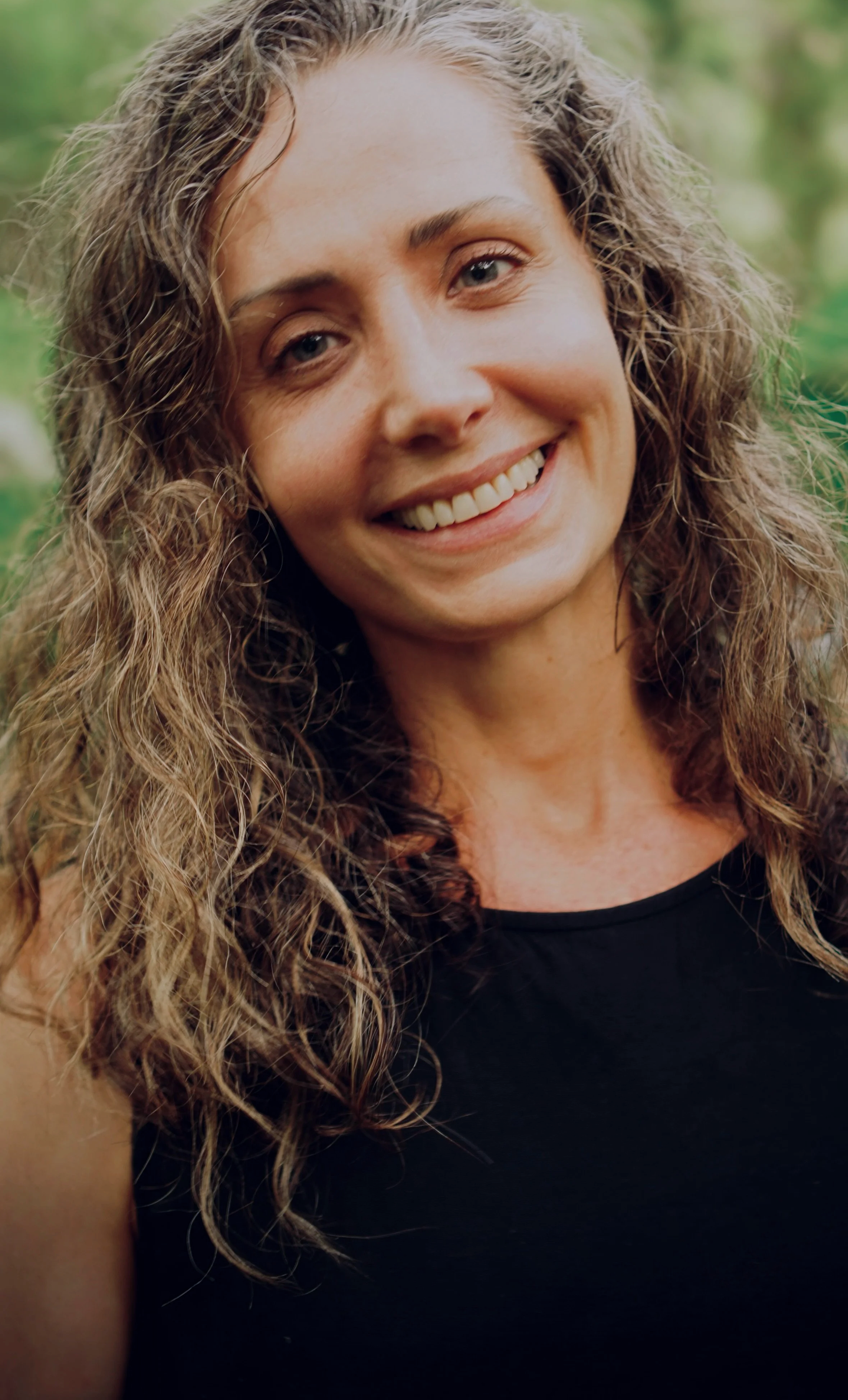
You’re welcome to explore the different ways we can work together and take some time to consider what feels right for you.
If you’d like to talk about a more individually tailored approach that you don’t see here, I’m open to that too.
You can book an initial call with me below — our first conversation is free.
“Everything can be taken from a person but one thing: the last of human freedoms - to choose one’s attitude in any given set of circumstances.”
- Viktor Frankl, psychiatrist, neurologist and Holocaust survivor.
“Body treatment is somewhere, like, way on the periphery of the world. Instead, we sit in a chair and we talk to people, somehow trying to magically make people safe in their body.
I did the first National Institutes of Health-funded study on Yoga. It is more effective for chronic PTSD than any drug with people I've ever studied. If you learn how to really inhabit your body and learn to feel comfortable moving your body and being in your body, something starts shifting.”
Dr Bessel van der Kolk, psychiatrist, trauma researcher and author of The Body Keeps the Score. .
who i work with
I work with adults navigating the long-term effects of PTSD, chronic stress and interpersonal trauma (caused within family systems and relationships). People who may be frustrated by conventional treatment options and feel like nothing has ‘worked’ yet, who are looking for body-led, trauma-sensitive approaches to recovery.
If you’ve tried talk therapy and antidepressants and other medication, but still feel anxious, depressed, or unable to truly enjoy life, you’re not alone.
The kinds of life-limiting effects you may be navigating include anxiety, depression, hypervigilance, compulsions (including OCD), dissociation, chronic low self-esteem, emotional reactivity, burnout, or dysregulated eating.
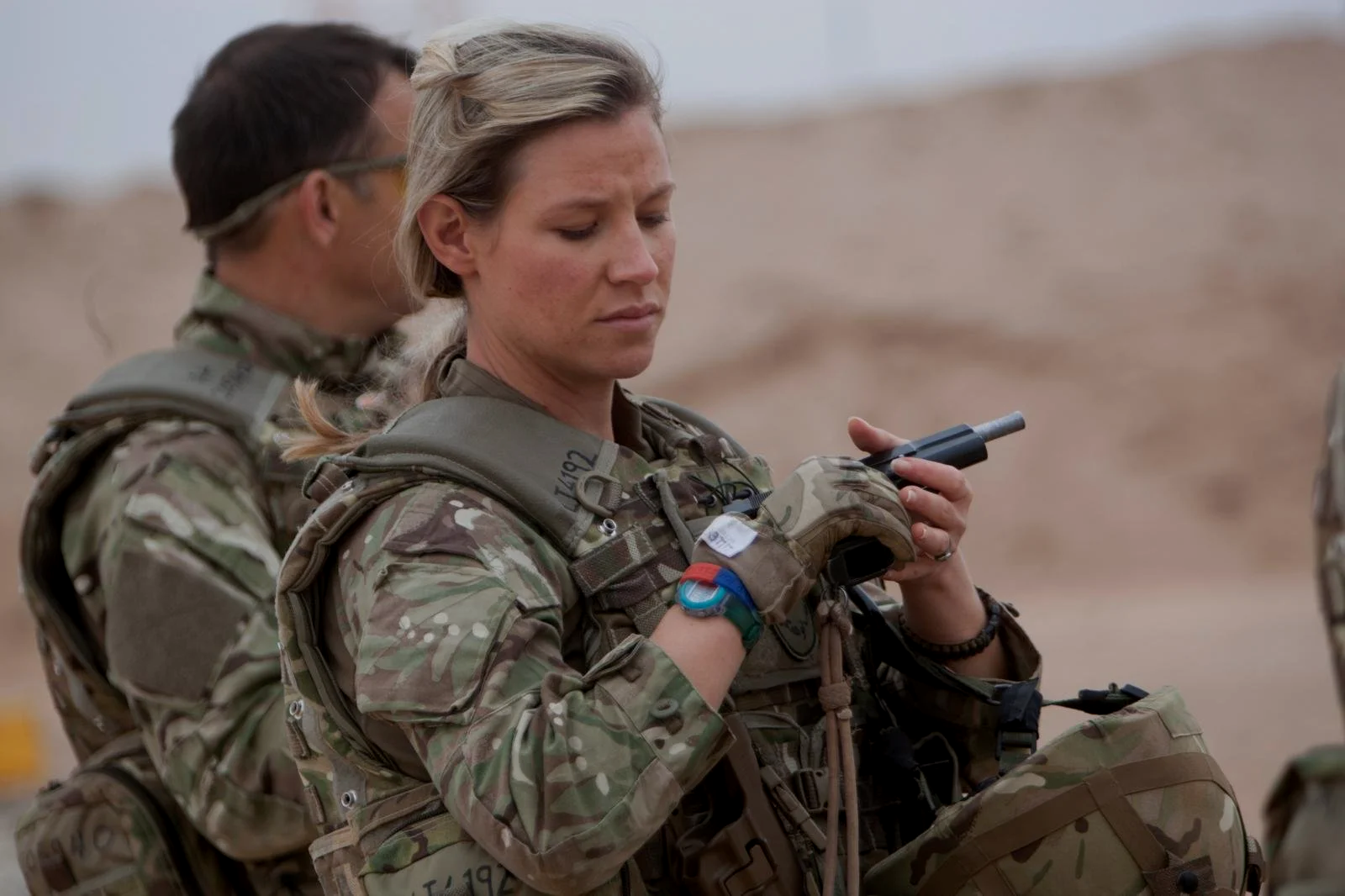
Coming from a family of military veterans and long military lineage, I am well placed to work with this community during active service and when transitioning into civilian life, as well as with their loved ones, who may find themselves impacted by secondary trauma through caring for a family member with PTSD.
Alongside my work with trauma, I also support business leaders, entrepreneurs, healthcare professionals and others navigating chronic stress, burnout and major life transitions, seeking more holistic ways to recover and develop toolkits for long-term wellbeing.

Whatever your background, I create a calm, non-judgemental space, helping you build trust in yourself, find safety and agency within your body again and develop tools you can carry forward into daily life - at your pace and without needing to perform, push or fit into anyone else’s idea of healing.
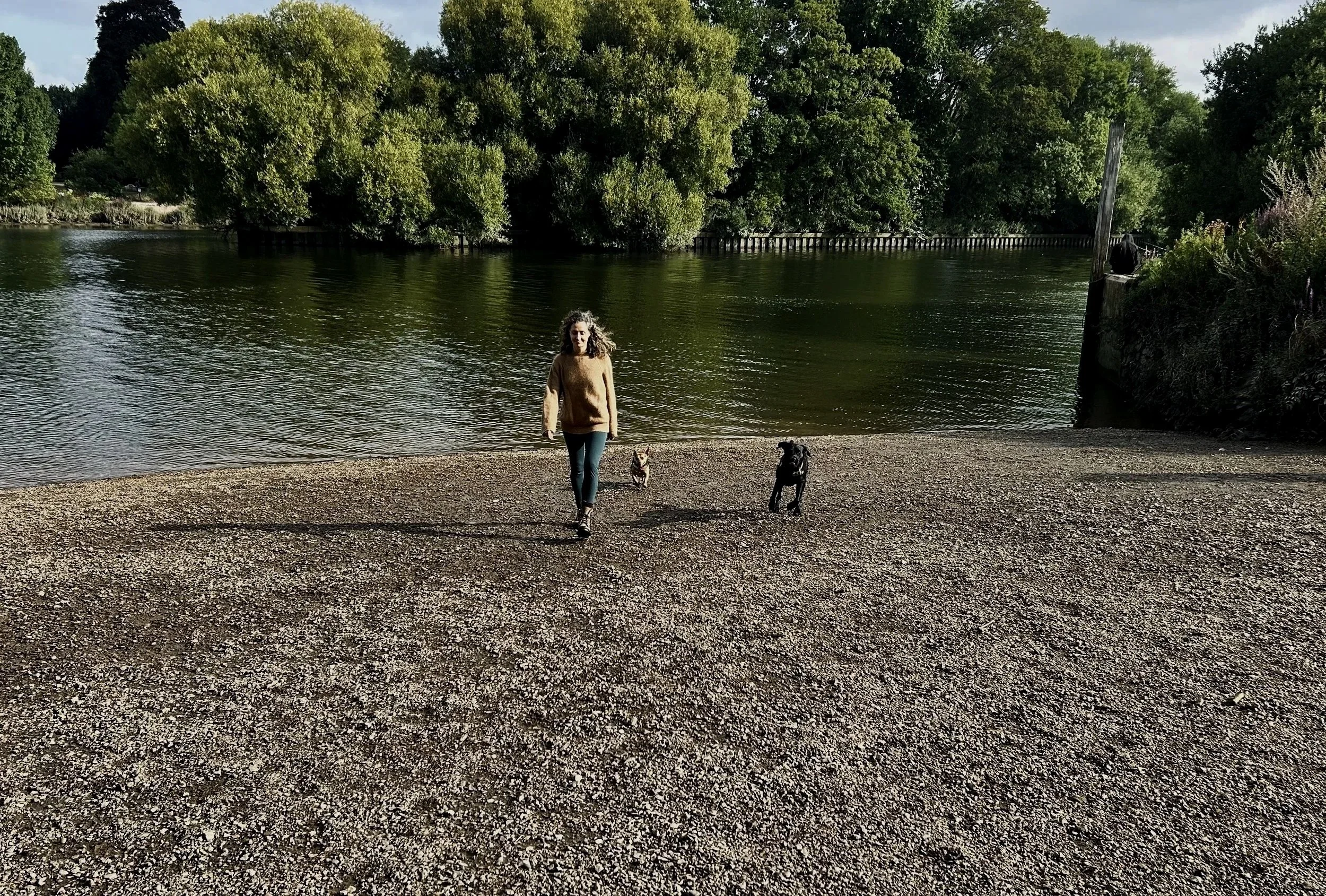
What I offeR
All options combine Western-developed somatic practices informed by neuroscience with ancient postural, breath and meditation methods drawn from Yoga, Buddhism and Daoist traditions — always tailored to the individual in front of me. I bring together clinical best practice, ancient wisdom and deep respect for you and your individual experience, without dogma or judgement.
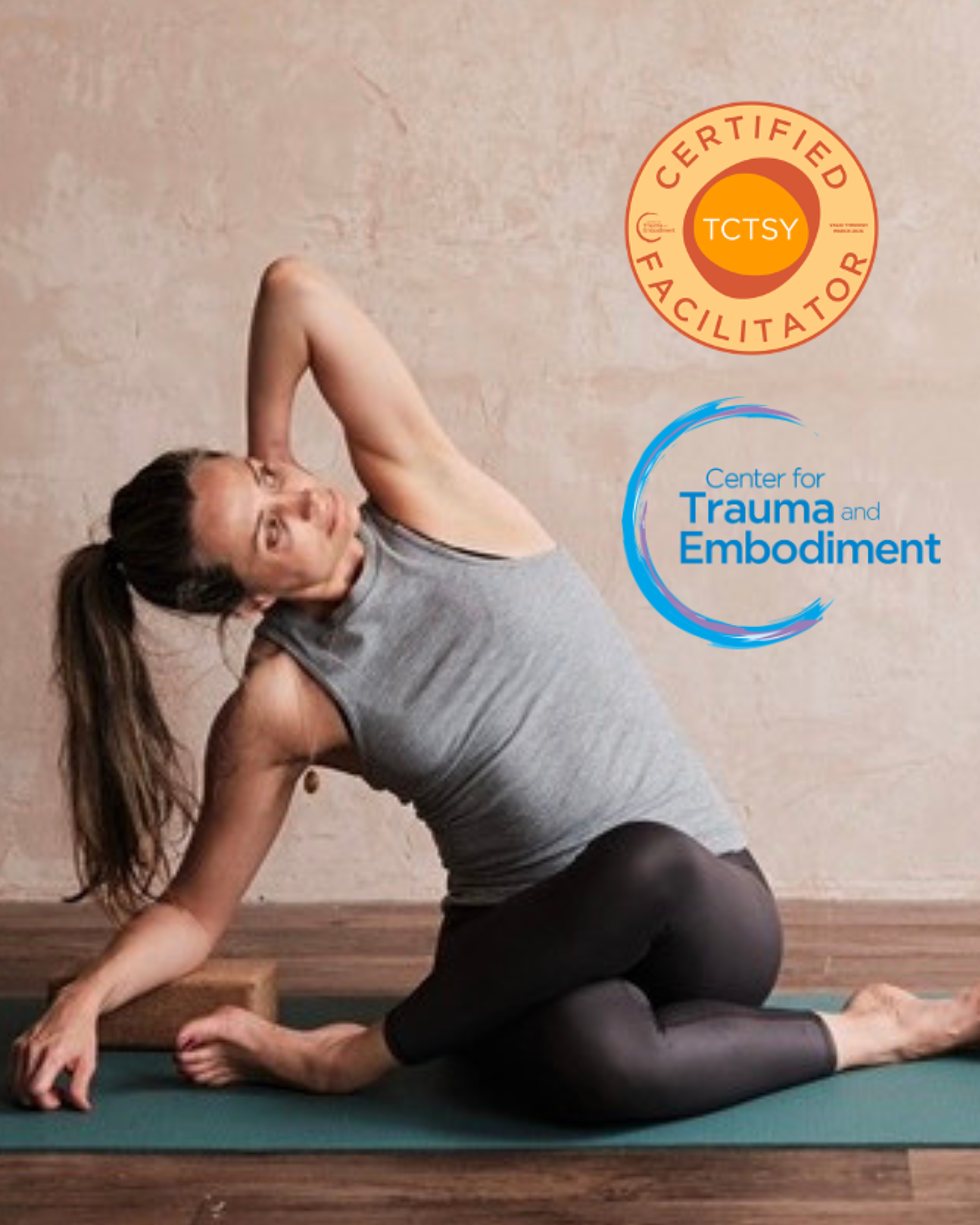
Body-Led Therapeutic Trauma Support using Trauma Center Trauma-Sensitive Yoga (TCTSY)
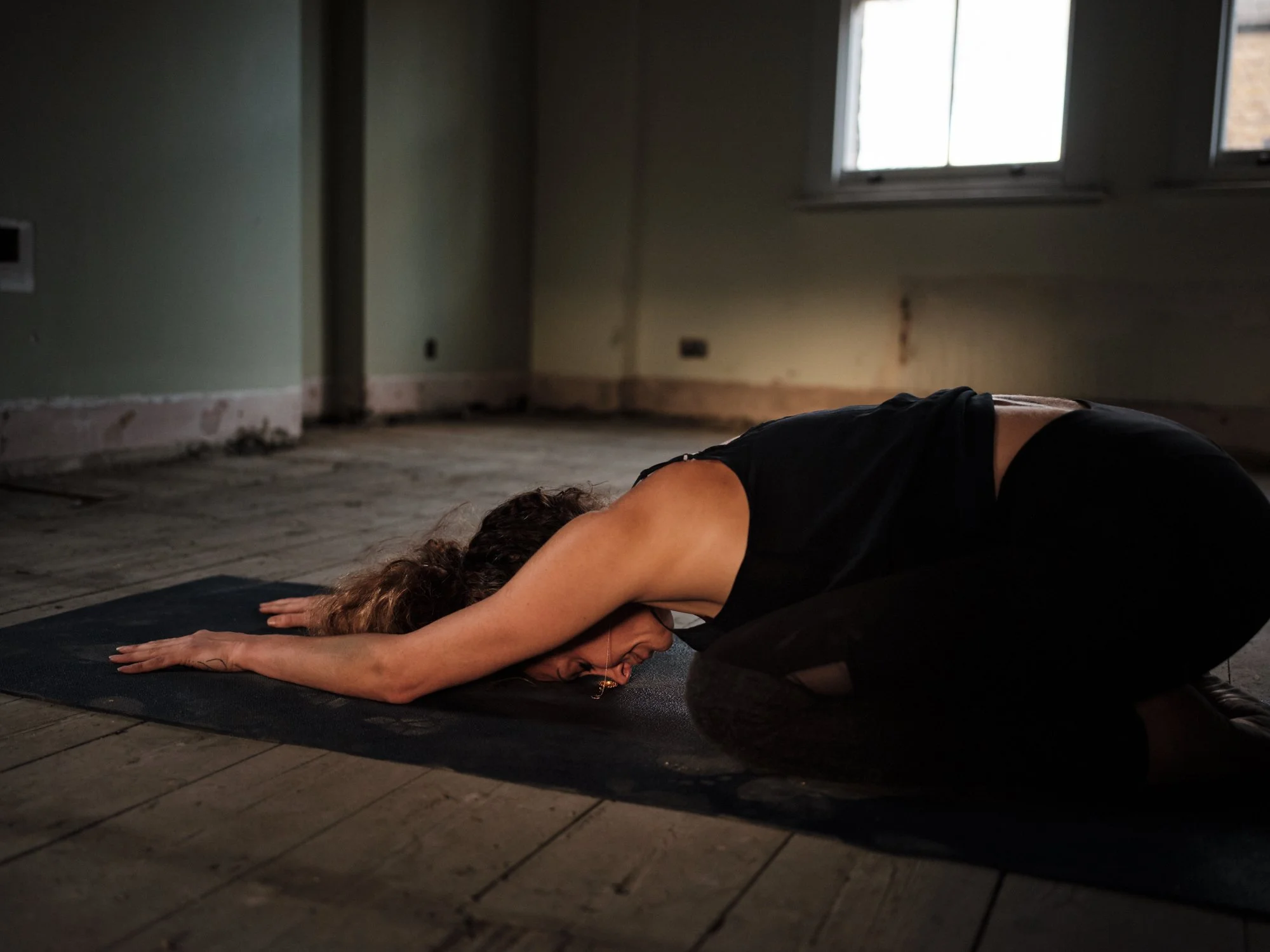
Trauma Center Trauma-Sensitive Yoga (TCTSY) is a therapeutic, evidence-based approach using mindful movement, interoception and choice, developed specifically to support people living with complex trauma and PTSD, delivered in online one-to-one sessions via Zoom. In-person is an option if you are London-based. This is an evidence-based adjunctive treatment for complex trauma/PTSD. It can be adapted for small groups of service users for organisations like charities or inpatient settings, and I’m open to creating bespoke programs.
Engineer Stillness® — 40-Day Embodied Nervous System Regulation Programme
A 40-day, one-to-one program in which I work with you to design an individually somatic (body-, movement- and breath-based) practice to integrate into your day to day life, drawing on a range of techniques, ancient and modern. Engineer Stillness® is designed to help you learn a personalised embodied practice by heart. I support you in developing the capacity for self-practice, whenever needed and wherever you are. The aim is not dependence on me. It is embodied self-leadership.
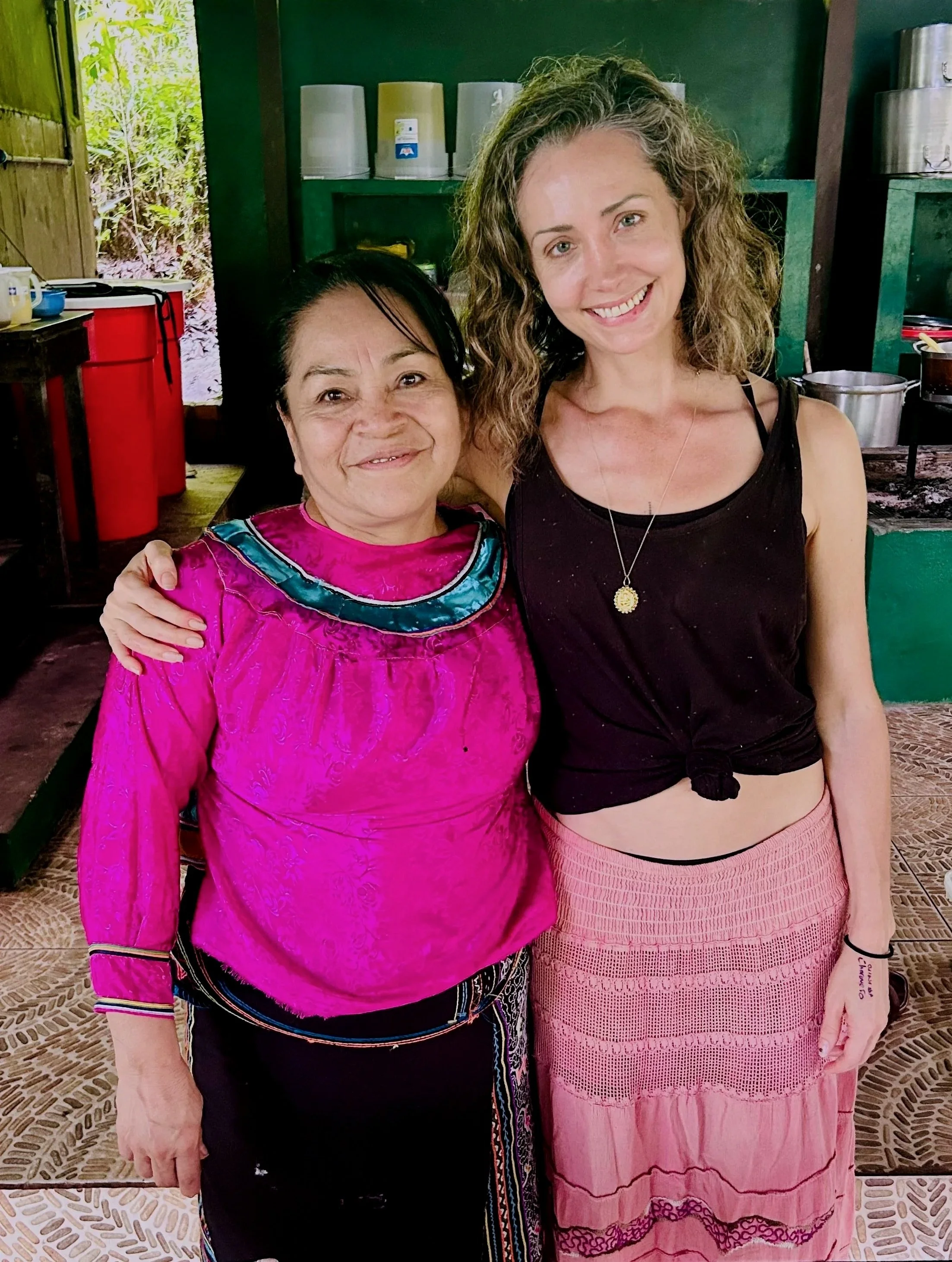
Psychedelic preparation and integration coaching
I facilitate on legal psilocybin retreats in Europe and on ayahuasca retreats in Peru alongside indigenous ayahuasca healers. I also offer psychedelic preparation before retreats and somatic, body-led integration coaching afterwards, supporting people to make sense of and integrate their experiences into everyday life. I have two kinds of programmes that can support you in developing the capacity to navigate challenging ceremonies, re-stabilising afterwards and processing insights, through embedding new tools and practices into your day-to-day life. prepare well, integrate deeply, live differently.
TESTIMONIALS
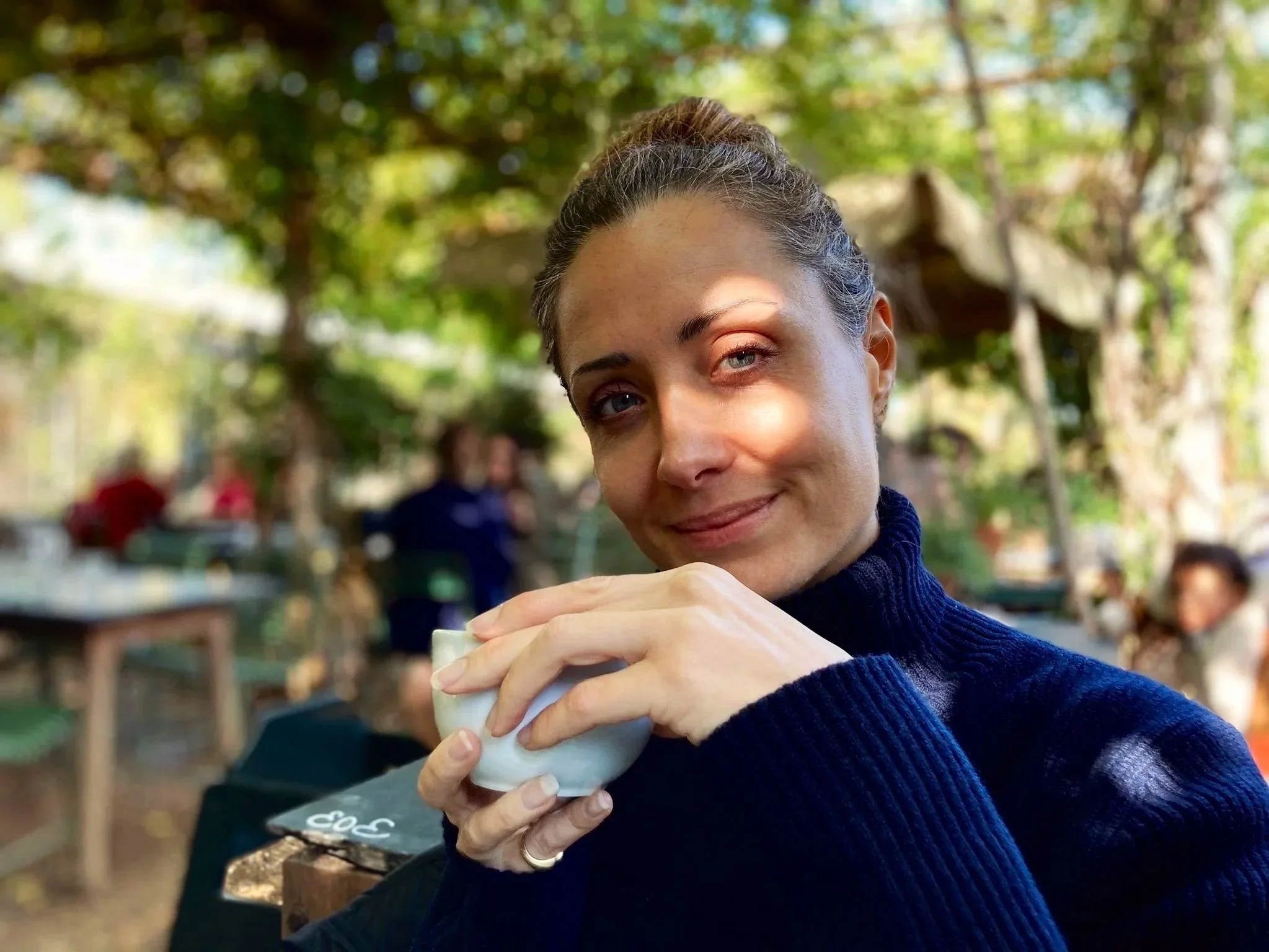
What it’s like to work with me
I know how it feels to try everything and still feel like you’re falling short. I’ve been there — over-stimulating my already stressed nervous system with sweaty gym sessions or endless running or fast 'power yoga', trying and failing to meditate, pushing through corporate burnout, navigating divorce and mental illness. Through my own process — and my professional training — I’ve learned how to work with our body-mind in a way that is:
Adaptable — you don’t need to be flexible, fit or able to get on the floor.
Approachable — no pretzel poses, no pressure, no performance, wear what you like.
Empowering — teaching you tools to use on your own, so you don’t need me forever.
Holistic — addressing your whole self, not just your symptoms
My work draws on both contemporary understandings of trauma and longstanding embodied traditions, offering ways to work directly with patterns held in the body as well as the mind.
I offer practical somatic (body- and movement-based) approaches, informed by evidence and tailored to the individual, to support sustainable recovery and long-term, self-guided wellbeing. These are tools you can learn to help rebuild physical confidence, gain greater agency over day-to-day mental and emotional functioning, regulate your nervous system, adapt more readily to change and develop a greater capacity for fulfilling relationships.
If you’ve tried yoga before and written it off, know this: my work extends far beyond conventional yoga, and it may look very different from what you’ve experienced in a typical studio. I combine:
✔ Trauma Center Trauma-Sensitive Yoga (TCTSY) — an evidence-based adjunctive intervention developed specifically for complex trauma and PTSD.
✔ Bespoke embodied practices, rooted both in authentic traditions (not Instagram yoga) and emerging science.
✔ My own lived experience navigating and healing trauma.