

Psychedelic preparation and integration support
I offer one-to-one, trauma-sensitive preparation and integration for people approaching or returning from psychedelic experiences — combining practical education, body-led practices and experienced retreat support to help you prepare with greater awareness and translate what emerges into everyday life.
Psychedelics can create conditions for change — but they are not the change itself.
Psychedelic medicines such as psilocybin and ayahuasca can be accompanied by the release of long-held emotional and physical tension and can catalyse profound shifts in perspective. But they are not the healing itself, not the ‘magic pill'.’ They can open a window of opportunity, a clearing in the tightly knitted, dark forest of our programming, and point to pathways out through it all with more clarity. Psychedelic research suggests these substances may temporarily alter patterns of brain connectivity and promote conditions associated with increased plasticity - the capacity of our brain to change in response to new experiences. It’s a window that can last a few weeks to a few months.
And then it’s up to each individual to choose to harness this period of potential by following what is pointed towards, releasing old mind-stories and embedding tender new perspectives and more conscious behavioural patterns. The work invites taking responsibility for changing habits, building in self-supportive routines and self-reflection. All of which requires support from the moment the idea to engage with psychedelic work arises until long after the experience.
In 2025, an international consensus, spanning almost 90 researchers across 17 countries and published in Nature Medicine, affirmed that the context surrounding the ingestion of psychedelics to heal mental illness has as much bearing on their impact as the molecules themselves.
It highlighted not just the quality of the therapeutic/facilitator relationship, but the preparation beforehand and integration afterwards.
My role isn't to interpret your experience for you or tell you what it means.
Rather, I help you develop practical, body-based skills and self-practice routines beforehand, and support you afterwards in stabilising your nervous system, as well as maintaining and further embedding your practices, as you discover what the experience meant for you and how it might translate into everyday life.
My sessions are not psychotherapy, nor are they intended to replace appropriate medical care. They are educational, body-led sessions guided by a trauma sensitive professional designed to help you cultivate awareness, self-regulation, self-reflection and practical tools to support new ways of being. You are welcome to share verbally as much or as little as you like during our sessions.
PSYHEDELIC Preparation
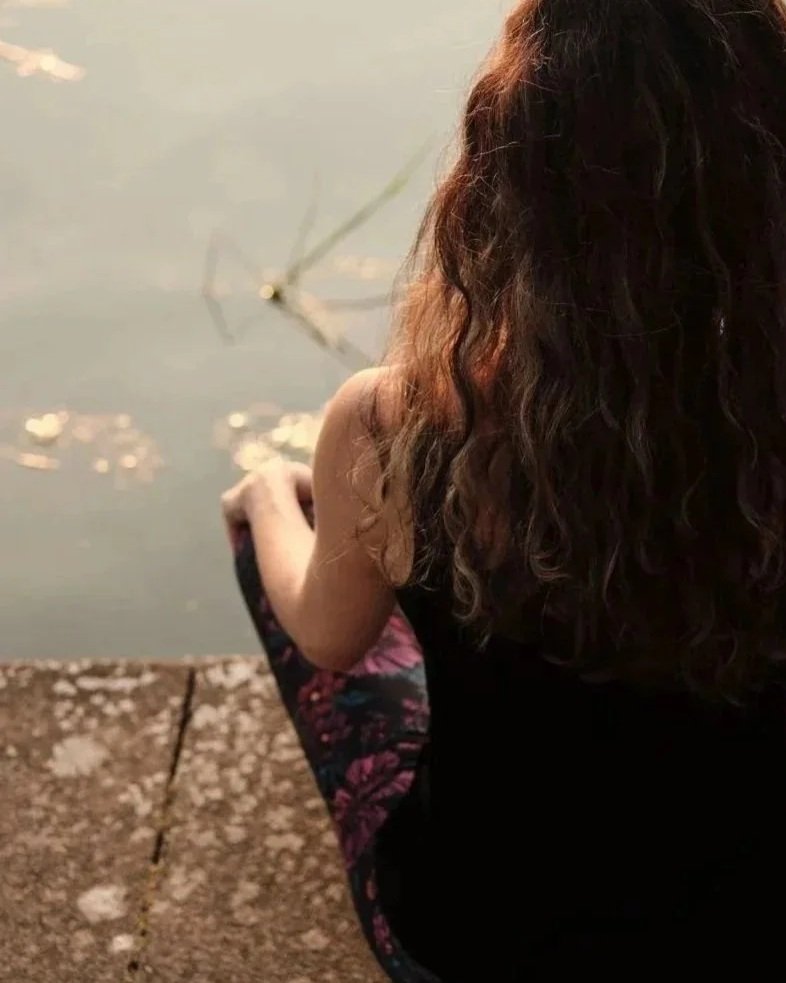
“Whether you’re feeling excited, apprehensive, hopeful or uncertain, preparation isn’t about getting it right.
It’s about beginning to cultivate the inner resources that allow you to meet whatever arises with greater steadiness, curiosity and self-compassion.”
Why psychedelic preparation matters
Perhaps one of the defining features of a psychedelic experience is that it has the potential to open a doorway into our subconscious, facilitating powerful emotional processing, in some cases bringing traumatic memories quickly to the surface. During such altered states, our nervous system may move through fear, grief, awe, joy, confusion or deep stillness. And/or our world view and sense of self may significantly shift. All in just a few hours.
Combined with - potentially - a group retreat setting in an unusual location with many unpredictable variables, this ‘sudden exposure’ has the potential to be destabilising.
Particularly if you have do not have experience of some kind of mindful practice that has equipped you with the capacity to hold discomfort and regulate your nervous system’s responses to all this unfamiliarity.
Talk therapy can be enormously valuable, particularly in helping you make sense of your experiences.
Yet body-based practices offer something complementary: opportunities to develop the felt experience of staying present with discomfort, noticing what is happening within you, and discovering ways of returning to steadiness when you become overwhelmed. In other words, the self-agency to hold and ground yourself even as everything you thought you knew may be shifting.
Why prepare through the body?
It is my strong encouragement to introduce some form of practice to your day-to-day routine, if you do not already have one, in order to develop such capacities.
Working strategically with mindful movement and grounding breath practices can increase your sense of comfort and safety in your body, can build more agency in terms of regulating your nervous system, and can support the substance in helping to release emotional tension that perhaps otherwise causes restlessness, irritability and impatience with the process.
Moreover, being guided through a regular somatic practice, and through that, developing your own practice that works for you - even if you start with 5 minutes day of sitting and practicing noticing what is present - equips you with portable tools you can use whenever and wherever you need to.
Before a psychedelic experience, having a practice can start to show you what may be present within your body-mind that is asking for clarity, release or a resolution of some kind through your work with the psychedelic, and therefore may help shape your intention/s for your overall retreat and/or for your individual ‘ceremonies’.
An intention is not a goal to achieve or another box to tick. It is an inner orientation. It reminds you why you have stepped onto this path and can offer direction when things become emotionally, physically or relationally intense. It can also help to make sense of what comes up for you.
Building practices you can actually use during an experience
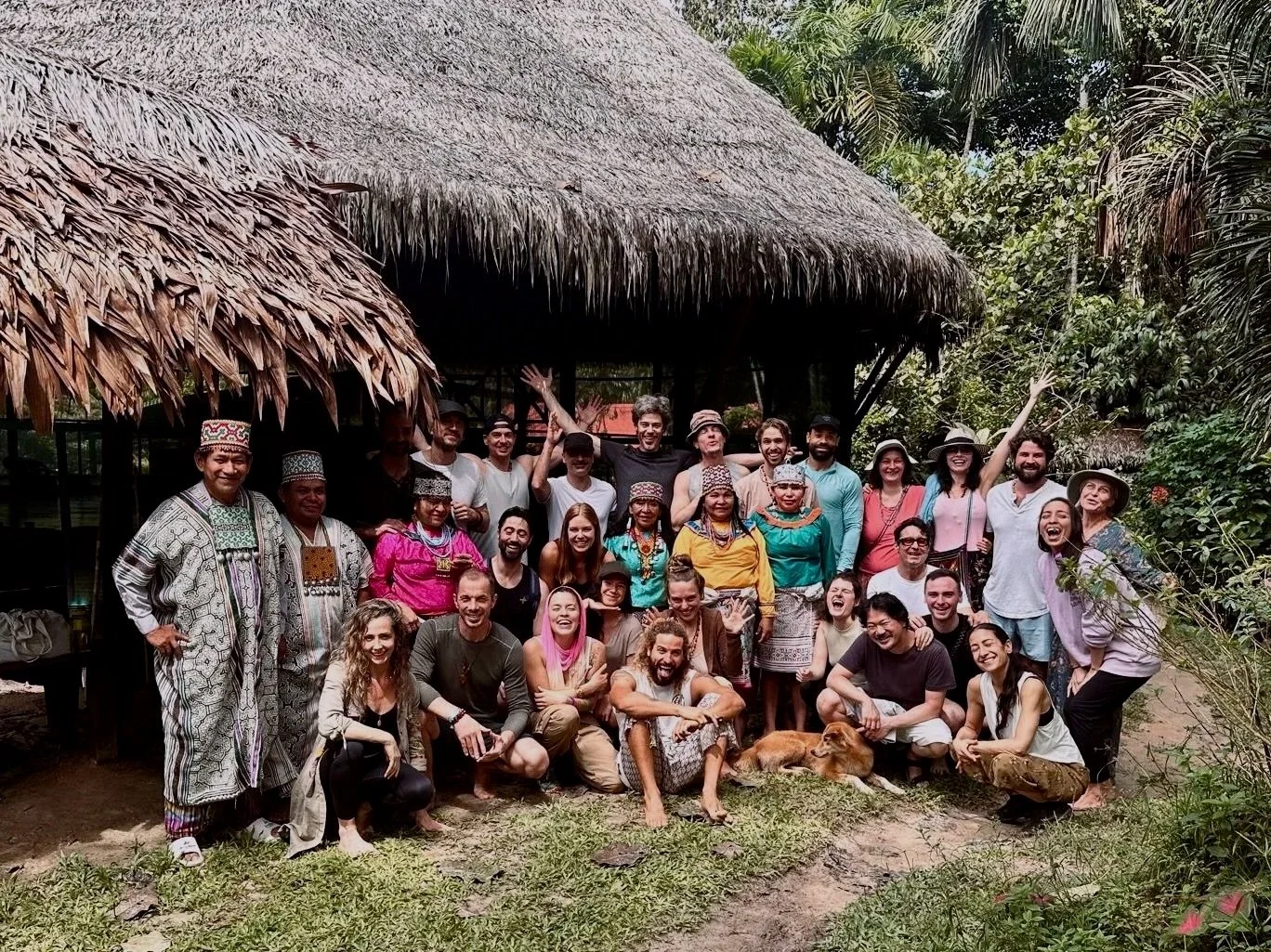
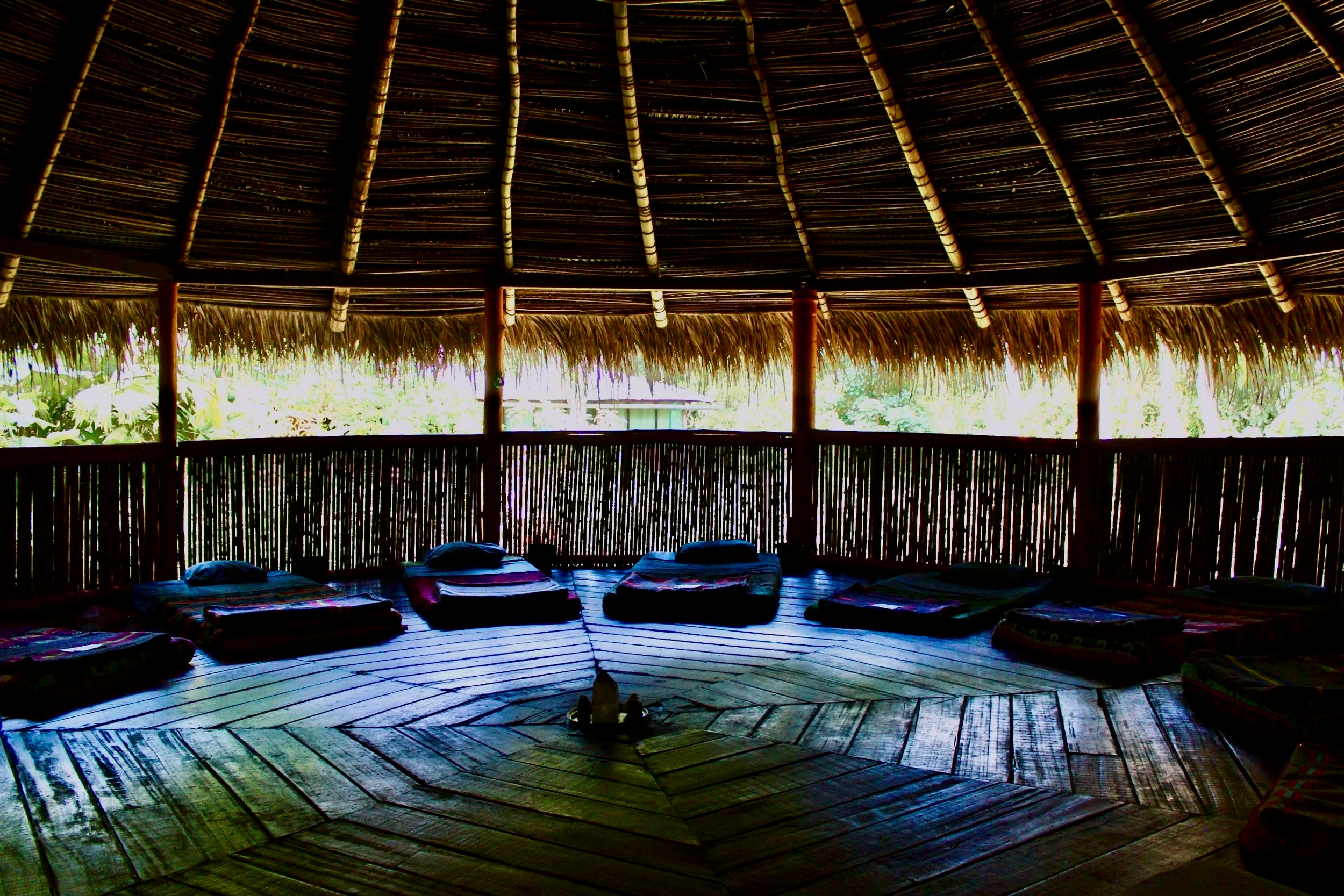
Later, during ceremonies or sessions with the psychedelic plant medicine, strengthened somatic awareness, the capacity to observe your thoughts rather than becoming entangled and the ability to self-regulate can also support you in being present and grounded, even if emotions, visions or sensations become challenging.




PSYCHEDELIC INTEGRATION
“Psychedelics don’t heal us.
They can create conditions in which healing becomes more possible.
It is the relationship we build with ourselves before, during and afterwards that allows those conditions to become lasting change.”
What is psychedelic integration?
Psychedelic integration can be an important predictor for a successful long-term outcome when working with psychedelics.
Integration is where profound experiences and insights become lasting change. A psychedelic experience may last six hours. Yet integration may continue for six months - or longer.
It is a process during which a person reflects upon, organises and assimilates the insights and feelings from a psychedelic experience into their psycho-emotional ways of being and their day-to-day life, in order to support lasting personal and habitual changes. It is the ongoing process of making sense of what was experienced and asking:
What does this mean for how I want to live now?
What does psychedelic integration look like in practice?
The kinds of actions or adjustments that integration might ask of us may include:
Having a difficult conversation.
Setting a firmer boundary.
More speaking up.
Less avoidance, or alternatively, being less available for everyone else’s needs.
More rest.
More time in nature.
A renewed creative practice.
Listening to the body before the mind.
How can body-led practice can support psychedelic integration?
After your retreat, your developing capacity for pausing in presence, turning inwards and curiously observing can be a wonderful tool for recalling and acting upon the insights received. It creates space for self-reflection, which serves as a building block for the practical steps of integration, outlined previously.
Like practicing a new habit of pausing before reacting when triggered, allowing for more considered responses and different outcomes.
And it does take practice. Because in the wake of psychedelic-supported experiences, there are challenges.
In ayahuasca work, we talk about the plants delivering ‘pruebas’, or ‘tests’, in the days, weeks and months afterwards. Ways in which we are literally tested, perhaps by a slip-up in abstinence from alcohol or drugs, or an instance of an old, destructive reaction blowing up again, or a sudden destabilising life event that really tests our coping skills.
It’s all too easy then for the mind to generate a story that: “It hasn’t worked.”
And without the kind of space and nervous system capacity that bod-led practice can help you cultivate, without a means of stepping back from rather than identifying with that thought, the cycle of negative self-talk may continue.
Moreover, having a ‘presence-practice’ can take you to places deeper within than you’ve been before, places you’ve perhaps resisted going to, while giving you tools to navigate them. Going into these places and bringing into the light what you find there, is a powerful way to become aware of and release old patterns of behaviour and ways of thinking about yourself (self-doubting, shaming) and the world that may have been at the root of self-sabotage and pain for many years.
Ultimately, a psychedelic experience, coupled with a robust preparation and integration process, is an invitation to build an enduringly different relationship with yourself as a whole person, shadows and all, your loved ones, your community and life itself.
Not a relationship based on fixing or striving, rather, one underpinned by quietly returning again and again to your tools, listening more closely, and making small, conscious choices that gradually shape a different way of living, of being.
PROGRAMMES AND COSTS
Preparation and integration are not simply conversations before and after a psychedelic experience. They are a process.
Building trust, clarifying your intentions, understanding what you may encounter, and learning simple body- and breath-based practices that can help you stay grounded all take time. In the weeks afterwards, integration often continues as insights gradually find their place in everyday life.
For this reason, I prefer to work within a program of support rather than through individual preparation or integration sessions.
There are two ways we can begin working together: a shorter programme for focused preparation and integration, or a longer programme for those seeking more comprehensive support before and after their experience.
**Charities and non-profits who are interested in working with me, for example, to offer preparation and integration to military veterans engaging with this work, please contact me to discuss tailored pricing.
If you’re considering psychedelic preparation or integration support but aren’t sure what you need, you’re welcome to book a free initial call. We can talk through where you are, what you’re looking for and whether working together feels like a good fit.
ESSENTIAL
Focused preparation and integration support
2 preparation sessions
3 integration sessions
Email and WhatsApp support for the duration
£500 | €580 | $650
Payment plans welcome
EXTENDED
More comprehensive support before and after your experience
3 preparation sessions
5 integration sessions
Personal practice plan development
Integration worksheets
Email and WhatsApp support for the duration.
£800 | €940 | $1070
Payment plans welcome
QUESTIONS YOU MAY HAVE
-
Only when I am facilitating on legal retreats in countries where those substances can legally be providedf you are attending a retreat where I am part of the facilitation team, I may be involved in supporting the ceremony. If you are attending a retreat or private session run by another organisation or facilitator, I provide preparation and integration support only.
-
No. You're welcome to work with me before or after any reputable retreat or legal psychedelic experience. Good retreat providers should include preparation and integration as part of their offering, although the amount of support varies considerably. If you're looking for more personalised, body-led preparation or ongoing integration support, we can work together alongside your chosen retreat provider.
-
Yes. Many people seek support weeks, months or even years after a psychedelic experience if they're still trying to make sense of what happened or translate it into everyday life. We can adapt one of my programmes to meet you where you are.
-
No. Psychedelic therapy generally refers to treatment delivered by appropriately qualified mental health professionals within a therapeutic framework. My work focuses on trauma-sensitive preparation, body-led practice and integration support, cultivating embodied self-agency, rather than psychotherapy (talk-focused therapy) or psychiatric treatment.
-
Absolutely. These unique ways of working can be very complementary to one another. Body-led support can help you to develop greater capacity for holding difficult feelings and memories when they come up, developing greater capacity to stay present with difficult experiences and draw on practical self-regulation skills when needed, which can make talking therapy - and revisiting past wounds - more approachable.
-
I currently offer preparation and integration support for people working with psilocybin and ayahuasca, as these are the medicines I have the most experience facilitating and integrating.
-
Yes, unless we happen to be in the same location - same town or city - sessions are conducted online via Zoom.
-
Where possible, I recommend working with both preparation and integration, as they support different parts of the process. However, if you have already had a psychedelic experience and feel like you need extra support integrating what happened into your day to day life, then we can explore adapting either of my programs according to your needs.
-
Difficult experiences can be unsettling, but they are not necessarily harmful or a sign that something has gone wrong. Part of integration is gently making sense of what emerged and exploring how it relates to your life now. Having experienced challenging psychedelic journeys myself, I know they can feel confusing or overwhelming in the moment. My role is not to interpret them for you, but to help you approach them with curiosity, compassion and practical tools that support integration into everyday life. Some of the most important psychedelic experiences I've had have also been some of the most difficult.